Song Meaning
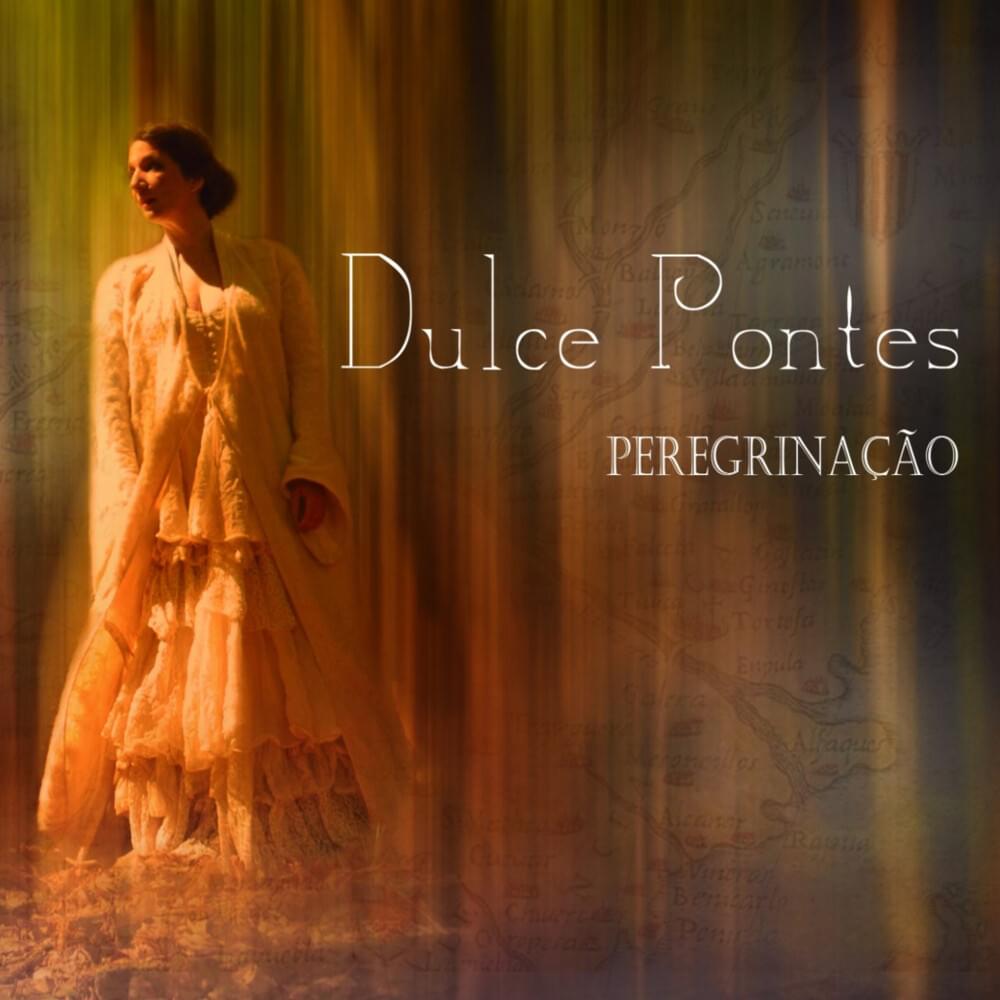
Dulce Pontes's rendition of "Grândola, Vila Morena" is more than a song; it’s a sonic embodiment of revolution and unity, steeped in the longing for a society defined by brotherhood and the will of the people. The lyrics, simple yet potent, paint a picture of Grândola, not just as a town, but as an allegorical landscape of shared identity and purpose. The repeated refrain, "O povo é quem mais ordena" ("The people are the ones in charge"), becomes a powerful assertion of popular sovereignty, a direct challenge to oppressive structures. Pontes's interpretation amplifies the song's inherent emotional weight, transforming it into a timeless anthem of hope and resistance.
The genius of "Grândola, Vila Morena" lies in its capacity to evoke a deep sense of belonging. Phrases like "Em cada esquina um amigo" ("In every corner a friend") and "Em cada rosto igualdade" ("In every face equality") tap into our fundamental human desire for connection and community. The song subtly argues that true strength resides not in individual power, but in collective solidarity. The olive tree ("azinheira"), a symbol of peace and resilience, further reinforces this idea, suggesting that the ideals of Grândola are rooted in enduring values.
What makes Pontes’ version so compelling is how she transforms a politically charged song into an intimate and universal expression of human aspiration. This is not just about Portugal's Carnation Revolution; it speaks to any context where people yearn for a more just and equitable world. The song's power resides in its ability to articulate a collective dream, reminding us that the pursuit of fraternity and popular will is a continuous and ongoing process. In essence, Dulce Pontes doesn't just sing "Grândola, Vila Morena"; she embodies it, inviting us to join in the collective act of imagining a better future.
 View Artist