Song Meaning
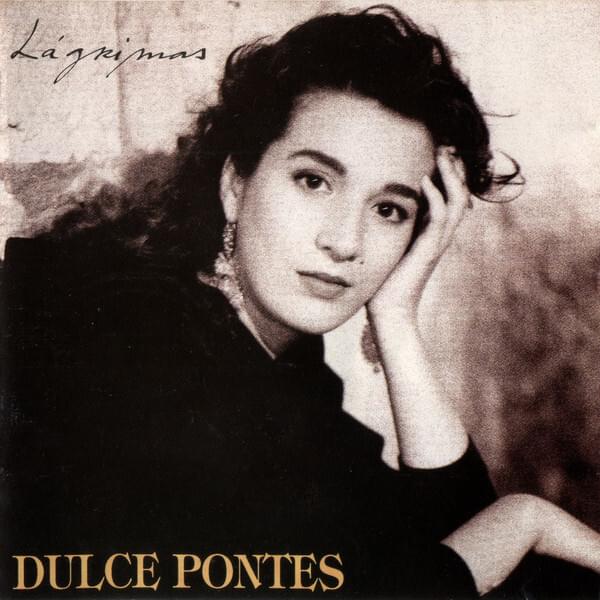
Dulce Pontes's rendition of "Estranha forma de vida" isn't just a fado; it's a raw, existential scream disguised as a lament. The song meaning hinges on the inherent paradox of existence: a life lived in perpetual longing, a heart that beats with a will of its own, independent of reason or comfort. Pontes doesn't merely sing about saudade (a Portuguese word describing a deep emotional state of nostalgic or deeply melancholic longing for an absent something or someone that one loves); she embodies it, making the listener viscerally feel the weight of this uniquely Portuguese form of existential ache. The opening lines establish this immediately, attributing her "ansiedade" and "saudade" to "vontade de Deus" (God's will), suggesting an acceptance of suffering as an intrinsic part of her fate. This isn't a passive acceptance, however; it's the starting point for a fierce, internal battle.
The core of "Estranha forma de vida" (Strange way of life) lies in the fraught relationship between the singer and her own heart. This is no gentle metaphor; the heart becomes an unruly, almost alien entity. It lives "de forma perdida" (in a lost way), beating independently, ignoring the singer's attempts at control. The lyrics paint a picture of a heart that stubbornly bleeds, moving through life without direction, refusing to stop its painful rhythm. This internal conflict speaks to the broader human condition: the struggle to reconcile our rational selves with our often irrational, emotional cores. The heart, in this context, represents the untamed, instinctive part of us that drives us towards desires and experiences, even when those paths lead to pain.
The final verse is the most devastating, a stark declaration of independence from her own heart. "Eu não te acompanho mais" (I won't follow you anymore) is a desperate plea for the heart to stop its relentless beating, to cease its aimless wandering. The repetition emphasizes the singer's utter exhaustion and her inability to control this vital, yet destructive, force within her. The lyrics aren't just about romantic heartbreak; they delve into the very nature of existence, the struggle to find meaning in a life filled with inherent contradictions and the painful recognition that sometimes, the most vital part of ourselves can also be the source of our deepest suffering. Dulce Pontes delivers this with a vocal performance that is both technically stunning and emotionally shattering, making "Estranha forma de vida" a haunting meditation on the human condition.
 View Artist