Song Meaning
Dulce Pontes's "Ele é que me canta a mim" isn't just a song; it's a confession—a stark acknowledgment of fate's relentless grip. The lyrics, steeped in the melancholic tradition of fado, reveal a singer not in control of her own narrative but rather sung *by* it. This inversion of agency is the song's core, suggesting that the very essence of her being is dictated by a preordained destiny, a 'sina sem fim' (endless fate). It's a chilling thought, beautifully articulated. The opening lines, dreaming of 'waves and mature sea,' hint at a longing for something beyond the confines of this prescribed path, a 'futuro' (future) unseen and perhaps unattainable.
Pontes's genius lies in her ability to convey this sense of entrapment without succumbing to despair. There's a quiet resistance humming beneath the surface, evident in the lines expressing a desire to break free from the 'amarra que não solta' (the mooring that does not release). This internal conflict—the push and pull between acceptance and rebellion—is what makes the song so compelling. It speaks to the universal human experience of grappling with limitations, whether self-imposed or externally enforced. The 'boca, minha alma em desespero / Que sempre volta' (mouth, my soul in despair / That always returns) suggests an almost Sisyphean struggle, a constant return to the inevitable.
Ultimately, "Ele é que me canta a mim" is a profound meditation on the nature of free will versus determinism, framed within the intensely personal and culturally resonant context of fado. It's a song about being both prisoner and performer, acknowledging the power of fate while simultaneously yearning for liberation. Pontes doesn't offer easy answers, but instead invites the listener to contemplate the complexities of existence, the invisible forces that shape our lives, and the enduring human spirit that refuses to be completely silenced.
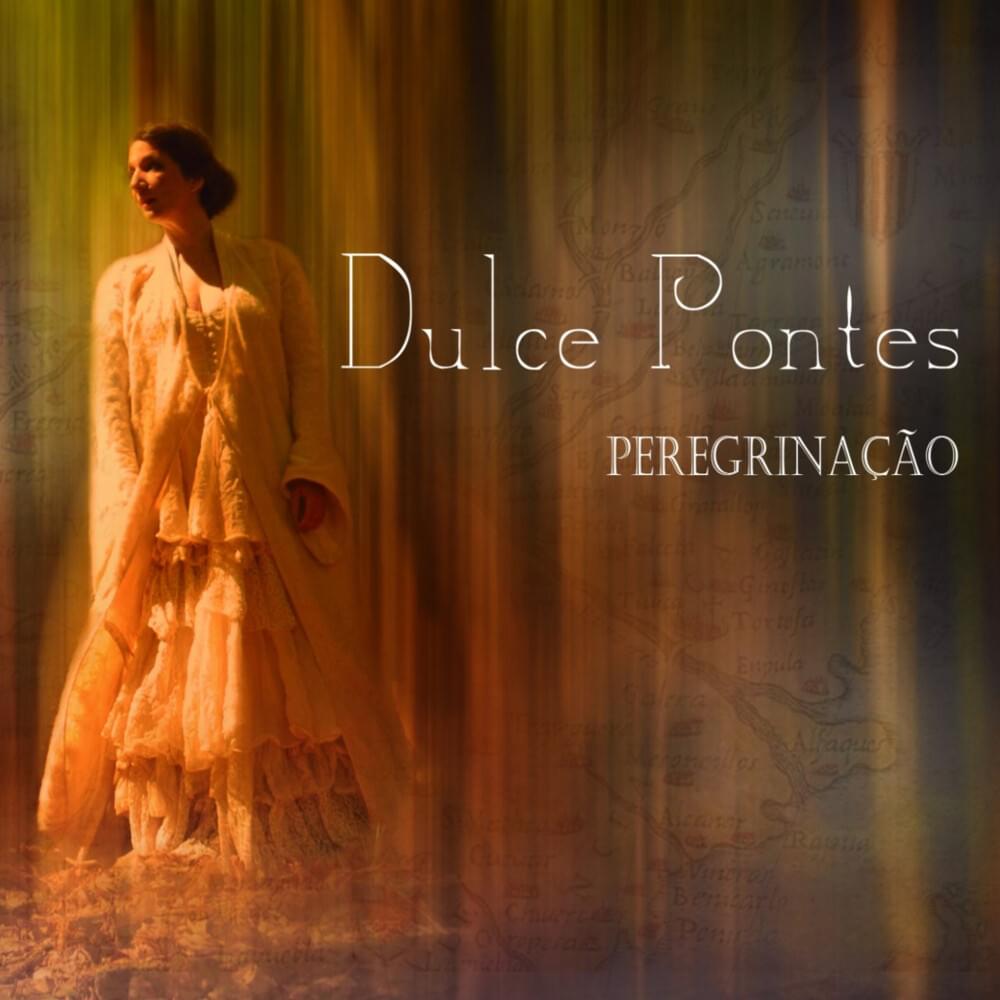
 View Artist