Song Meaning
Dulce Pontes' "Cantiga da Roda" isn't just a song; it's a miniature emotional universe packed into a traditional Portuguese form. At its core, the lyrics explore themes of stagnation, renewal through love, and the perils of public opinion. The opening lines, lamenting a stalled "roda" (wheel or circle), immediately establish a sense of inertia, a life or situation brought to a standstill "for lack of a player." This absence suggests a missing catalyst, someone or something needed to set things in motion again. The subsequent verse offers a resolution: the speaker steps in, declaring, "Here I play for my love," implying that love itself is the missing element, the vital force capable of restarting the wheel. This suggests a potent connection between love, action, and purpose. The song meaning shifts as it progresses.
However, "Cantiga da Roda" isn't simply a celebration of love's power. The introduction of the "mar alto" (high sea) brings a contrasting perspective. The deep, unfathomable sea is presented as a preferable alternative to "andar nas bocas do mundo" – being subject to the world's gossip and judgment. This stark comparison exposes a deep-seated fear of social scrutiny and the potentially destructive nature of public opinion. The "mar alto" becomes a metaphor for solitude and independence, a space where one can be free from the constraints and criticisms of others. Pontes seems to be suggesting that navigating the unpredictable depths of one's own existence is ultimately safer than navigating the treacherous waters of societal judgment. The repetition of "Ó mar alto sem ter fundo" reinforces the vastness and unknowable nature of both the sea and the self, hinting at the infinite possibilities and inherent risks of choosing one's own path.
Ultimately, Dulce Pontes crafts a nuanced exploration of personal agency and societal pressures. The song's genius lies in its ability to juxtapose the intimate, restorative power of love with the isolating yet liberating potential of self-reliance. The listener is left to ponder which "roda" they choose to set in motion, and whether they dare to venture into the "mar alto" to escape the judging eyes of the world. "Cantiga da Roda," through its seemingly simple structure, offers a profound meditation on the delicate balance between connection and autonomy, love and freedom.
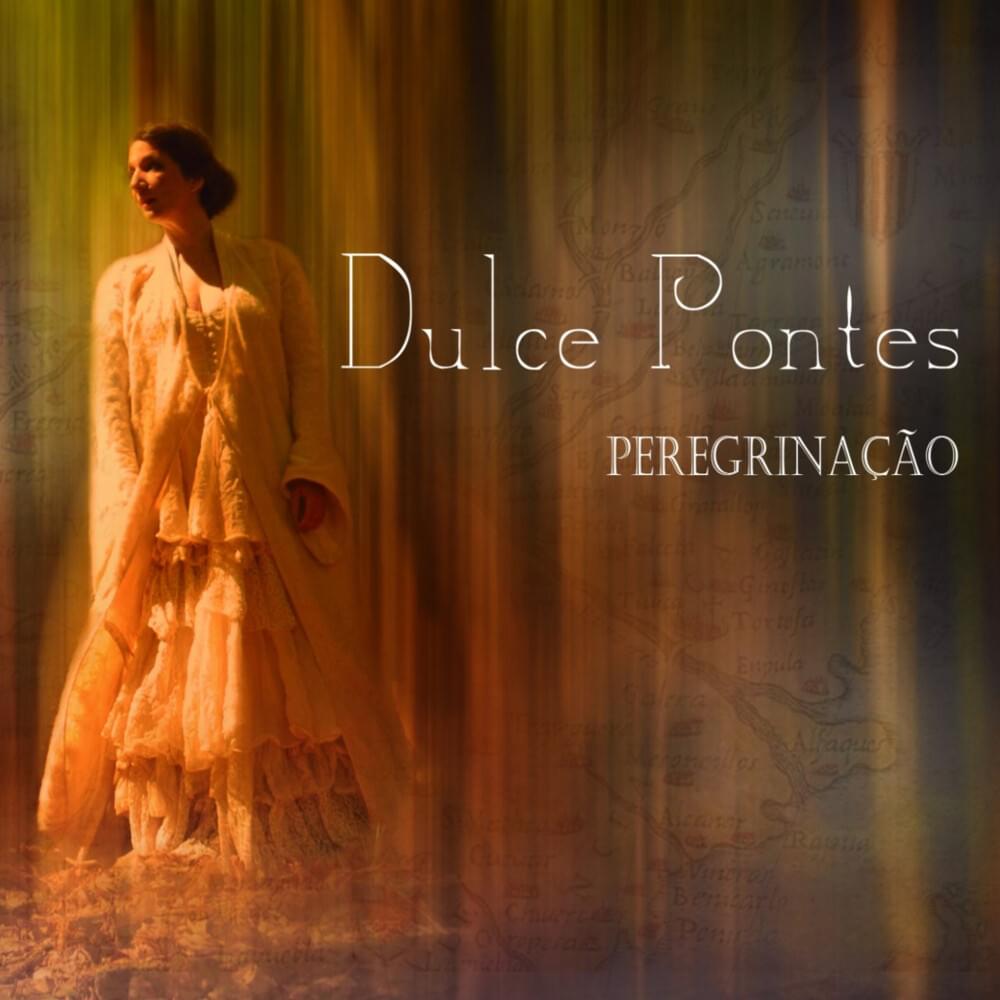
 View Artist