Song Meaning
“Harlem Air-Shaft” immediately signals its unique lyrical approach: there are none. The explicit "[Instrumental]" notation shifts the entire interpretive burden to the music itself. This isn't a song with a hidden vocal narrative, but one where the sonic architecture *is* the story. The absence of words invites a different, more personal kind of engagement.
Without a lyrical guide, any emotional tension or conflict within "Harlem Air-Shaft" must emerge purely from its musicality. The listener is left to project their own experiences and interpretations onto the soundscape. This creates a space where the music's rhythm, melody, and instrumentation become the sole conveyors of atmosphere and feeling, rather than a specific, spoken narrative.
The most striking craft element here is the deliberate decision to forgo a vocal track entirely. This isn't just an instrumental break; it's the complete lyrical statement. It suggests a profound confidence in the music's ability to communicate complex ideas or evoke a specific atmosphere without the need for words. The title itself, "Harlem Air-Shaft," might hint at sounds, echoes, and life heard indirectly through a conduit, rather than directly articulated.
This approach makes the piece effective by demanding active listening and personal investment. It forces the audience to consider what *isn't* being said, and how the music alone fills that void.
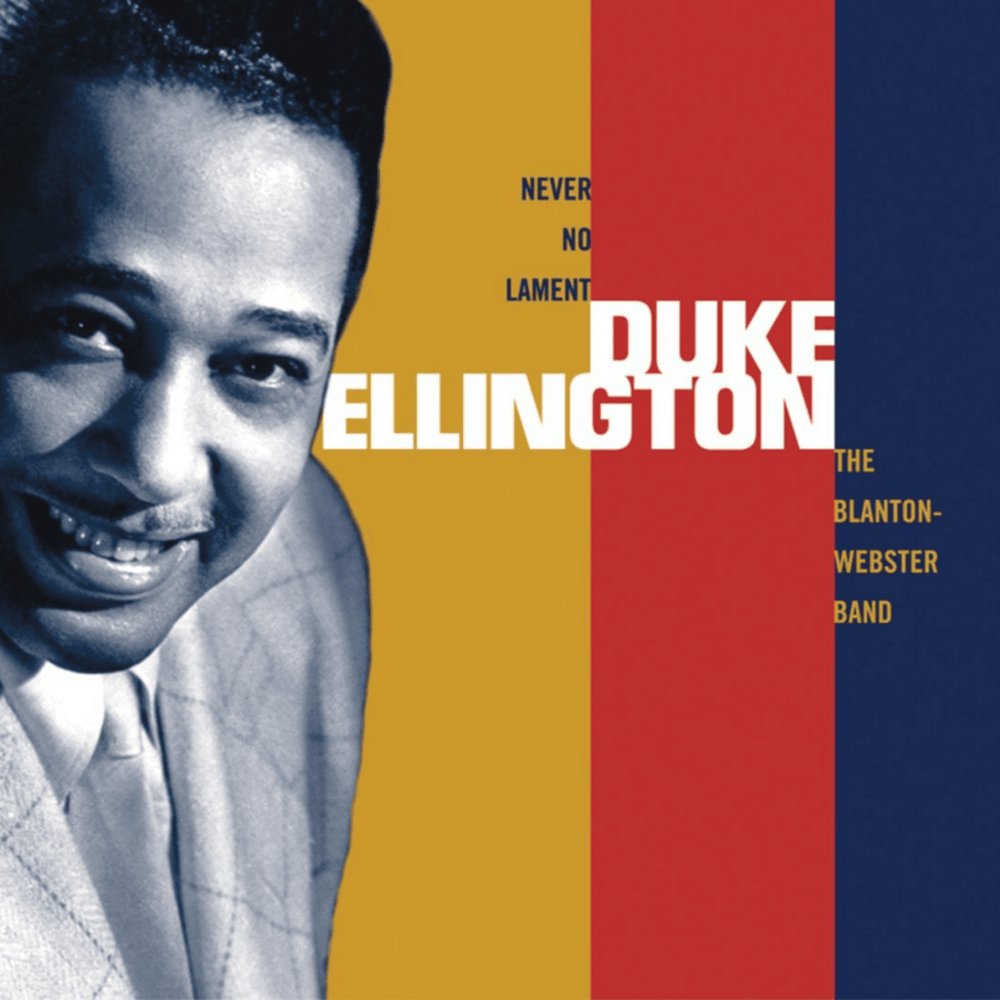
 View Artist