Song Meaning
The lyrics paint a picture of a shared home, a "בית" (beit), that's struggling to thrive. There's a clear acknowledgment of unmet expectations, with the narrator noting "what you wanted me to be" and "what I wanted you to be." This sets up an immediate tension between individual desires and the reality of their shared space. The core problem is starkly stated: "not enough light enters, not enough light enters," suggesting a lack of clarity, joy, or perhaps even hope within their domestic life.
The verses detail the initial efforts and subsequent disillusionment. They "wrote on the door 'residents here' and waited for happiness," and "bought a few things we earned honestly." These actions signify a commitment to building a life together, yet the promises made "on cold nights" were forgotten "in the morning." The harsh reality hits: "There are no discounts in life, we paid dearly," implying the significant emotional cost of their unfulfilled aspirations.
The most striking imagery comes in the second verse, where they "wanted to lie like strangers and escape in the darkness." This contrasts sharply with the idea of a shared home, suggesting a profound emotional distance and a desire for anonymity within their own relationship. The external world intrudes with "drunkards at the window singing about freedom," a poignant, almost ironic, soundtrack to their confinement and lack of light. The repeated refrain about the house and the insufficient light underscores a persistent, unresolved melancholy.
Ultimately, the effectiveness of these lyrics lies in their quiet, melancholic portrayal of domestic strain. The Hebrew phrasing, particularly the repetition of "ולא נכנס מספיק אור" (and not enough light enters), creates a palpable sense of suffocation and stagnation. It’s not a dramatic outburst, but a resigned observation of a shared space that’s become dim, highlighting the gap between the ideal of a home and its lived, less-than-luminous reality.
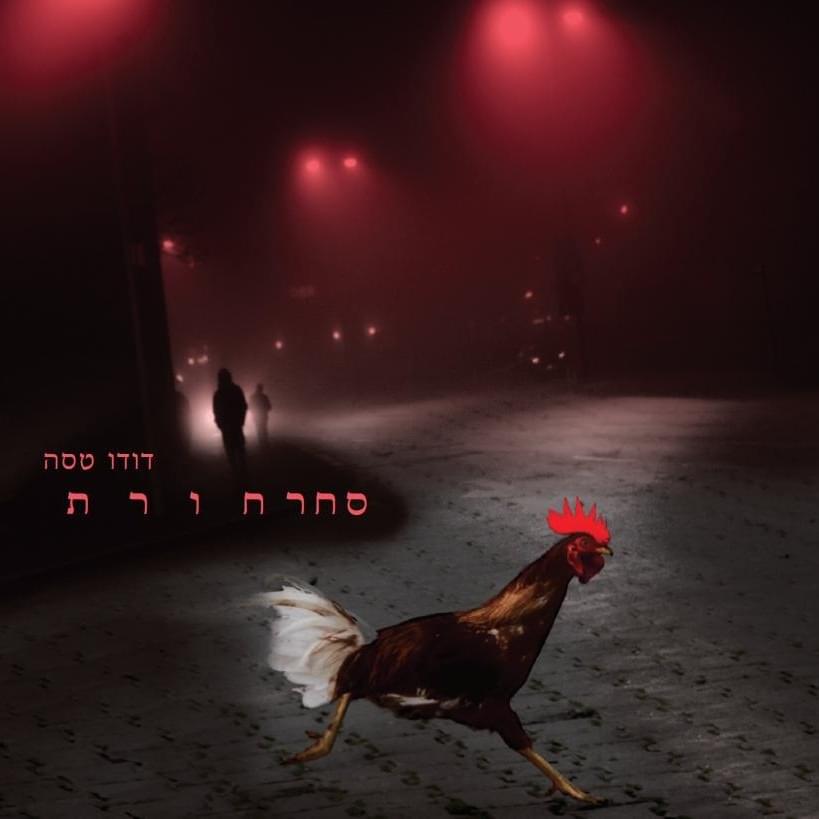
 View Artist