Song Meaning
The lyrics paint a picture of someone caught in a cycle of approach and retreat within a relationship. The narrator repeatedly asks their partner to wait or move forward, yet simultaneously expresses an inability to commit or be present. Phrases like "תתקדמי, אני עוד מעט בא" (Move forward, I'll be there soon) and "תעצרי, אני מתקרב" (Stop, I'm getting closer) highlight this push-and-pull dynamic. The dominant emotional tone is one of internal conflict and hesitant, almost fearful, engagement.
The central tension lies in the narrator's self-sabotage and fear of intimacy. They acknowledge the familiarity of the situation ("זה מוכר אבל אין לי סיבה" - It's familiar but I have no reason) and admit to withdrawing ("אני נסגר, אני נשאר עם עצמי" - I'm closing off, I'm staying with myself). This internal struggle leads to confusion and a sense of being overwhelmed, as seen in "אני נבהל ומאבד גם אותה" (I get scared and lose her too) and "זה מוזר אבל אני שוב מתבלבל" (It's strange but I'm confused again).
A striking aspect of the craft is the use of direct commands that are immediately contradicted by the narrator's actions or internal state. The repeated refrain "איך זה, איך זה" (How is it, how is it) underscores the narrator's bewilderment at their own behavior. The chorus offers a hopeful, almost desperate, promise of future resolution – "בסוף זה יסתדר, אני נשבע, אני אתגבר" (In the end it will work out, I swear, I will overcome) – which feels at odds with the hesitant verses.
This lyrical approach is effective because it captures the frustrating, self-defeating patterns that can plague relationships. The narrator's internal monologue, filled with excuses and apologies, creates a sense of poignant realism. The contrast between the desire for connection and the fear of it, articulated through these conflicting instructions and promises, makes the emotional struggle palpable and relatable.
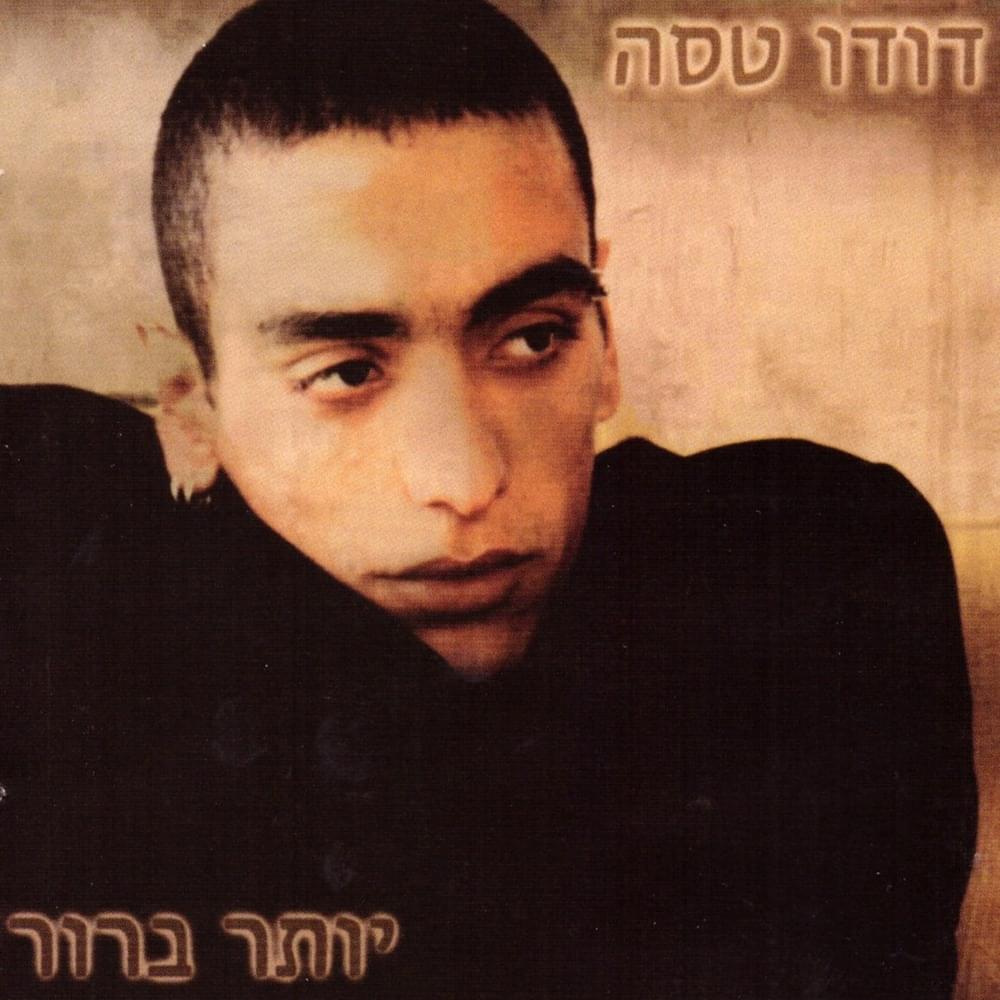
 View Artist