Song Meaning
The lyrics paint a picture of profound disorientation and a desperate yearning for renewal. The opening lines immediately establish a sense of lost time and a disconnect from self, with "twelve years and a song" passing by while the narrator feels like a stranger to their own desires. This feeling of being adrift is amplified by the passive observation of time slipping away, "the time I gave passes me by, it doesn't even say hello." The dominant emotional tone is one of weary resignation, a feeling of having already reached the "end of the day" without truly living.
The central tension lies in the narrator's blurred perception and their reliance on an external force for clarity and creation. The repeated phrase "I see blurred" (רואה מטושטש) is the core of this struggle, suggesting a loss of focus, identity, or purpose. This blurred vision is directly contrasted with the desire for someone else's "paintbrush" to "draw anew." The narrator is dependent, waiting "like a page" for this artistic intervention, indicating a deep-seated inability to self-direct or find their own way forward.
The most striking craft element is the juxtaposition of creative imagery with a sense of decay and helplessness. The idea of waiting for a "paintbrush" to "draw anew" is powerful, but it's framed by the narrator's passive state and the destructive impulse to "pick a flower, now to destroy." This internal conflict between wanting to be recreated and a tendency towards self-sabotage, or perhaps a resignation to ruin, creates a compelling psychological landscape. The repeated plea to "draw anew" feels less like a request for beauty and more like a plea for basic functionality, for the ability to see clearly again.
Ultimately, these lyrics resonate because they articulate a universal feeling of being stuck and losing one's way, but ground it in specific, evocative imagery. The sense of being "hanging by threads for years" and not remembering "the way home" is a potent metaphor for a prolonged state of existential confusion. The dependence on an external "paintbrush" highlights a profound vulnerability, making the repeated plea to be redrawn feel both heartbreaking and intensely human.
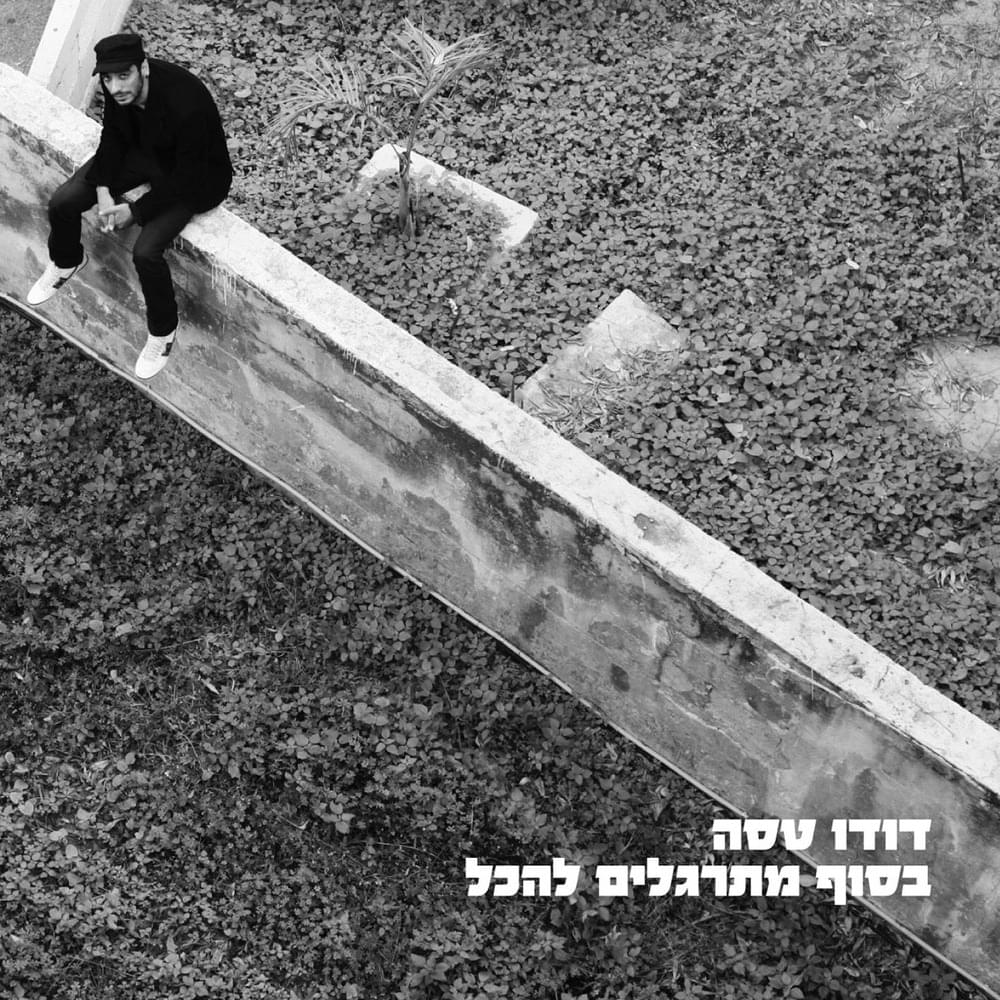
 View Artist