Song Meaning
The lyrics paint a stark picture of sudden downfall and isolation. The narrator expresses disbelief at their own fall, describing a small temptation that grew into something immense, dragging them down to the depths. This initial shock gives way to a sense of forbidden indulgence and a past shrouded in darkness, where even a cautious touch felt like nothing. The dominant tone is one of regret and loss, a feeling of being left behind while others move on.
The central tension arises from the contrast between the narrator's current state of being stranded and the perceived movement and connection of others. The repeated line, "And I have nowhere to return, nowhere to return," emphasizes this profound lack of belonging. The mention of friends who are "all Russian" and the subsequent absence of anyone to come signifies a specific, perhaps culturally or geographically defined, isolation that has severed ties. This isn't just general loneliness; it's a specific severing of connections that leaves the narrator adrift.
A striking element is the fragmented memory and the struggle to recall the past, particularly the nights of heavy drinking. The narrator admits, "I don't remember the mornings of the night / How I drank, drank, drank it all." This hazy recollection, coupled with the lingering fear of yesterday embodied in someone's gaze, suggests a destructive pattern that has led to their current predicament. The feeling of having already lost before even starting, as stated in the second verse, underscores a sense of predetermined failure.
Ultimately, the effectiveness of these lyrics lies in their raw portrayal of being cut off and overwhelmed by past actions. The simple, direct language, especially in the chorus, amplifies the feeling of helplessness. The contrast between the external world's progress and the narrator's static, broken state creates a powerful emotional resonance, making the listener feel the weight of their irreversible situation and the profound emptiness of having nowhere to go.
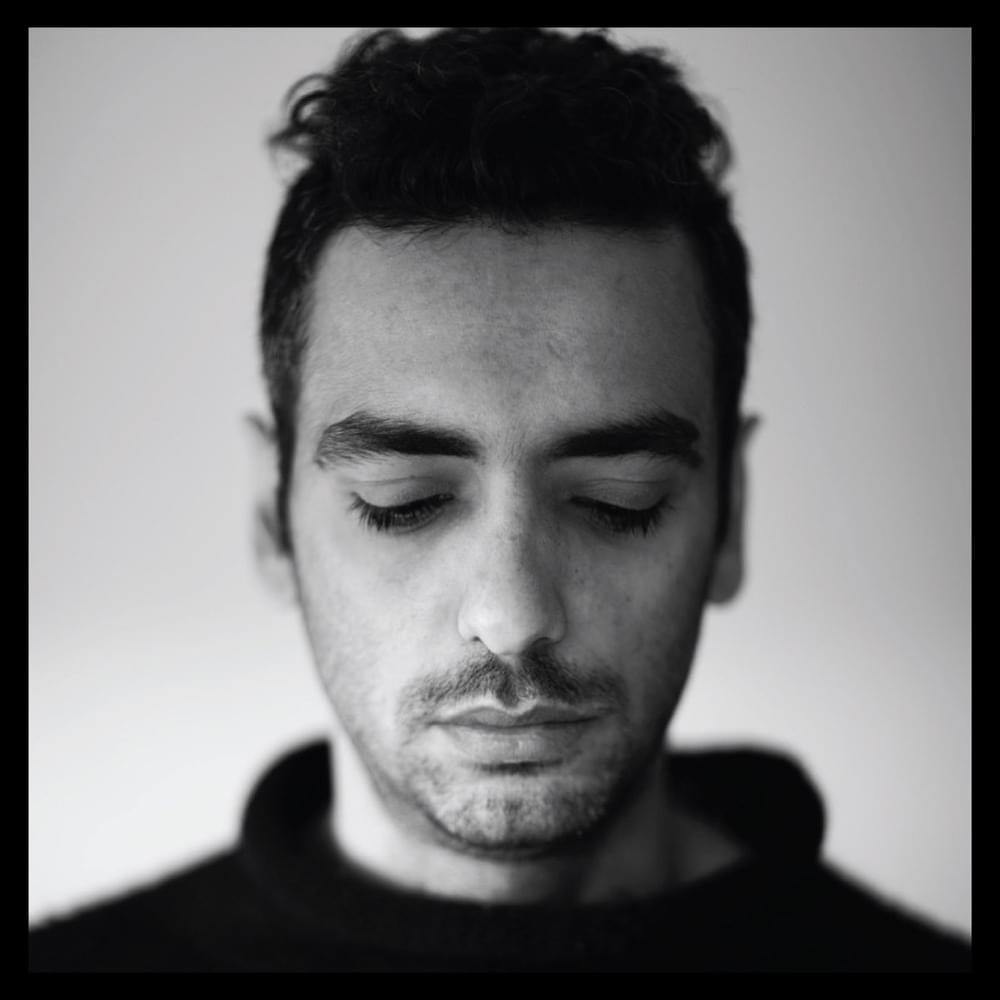
 View Artist