Song Meaning
This track paints a vibrant picture of a spiritual gathering, a "festa de Yaô" at a "terreiro de preto véio." The opening lines establish a scene of communal celebration, noting the presence of women ("muié") and contrasting it with those who lack them, suggesting a lively, perhaps even envious, atmosphere. The dominant tone is one of joyous reverence and active participation.
The core of the lyrics centers on invoking and honoring various Orixás, divine entities from Afro-Brazilian religions. We hear mentions of "filha de Ogum, De Oxalá, de Iemanjá," and "Mucama de Oxossi caçador," alongside a direct address to "Nanã, Borocô." This invocation creates a sense of deep spiritual connection and a rich tapestry of divine presence within the sacred space.
The repeated "Iô, iô / Iô, iô ô ô" acts as a powerful, rhythmic chant, drawing listeners into the spiritual energy of the ceremony. The call-and-response structure, particularly the question "A quem, meu pai?" answered with "- Xangô," grounds the abstract spiritual references in a concrete, interactive ritual. This exchange highlights the direct communication and reverence between the participants and the divine.
The effectiveness of these lyrics lies in their immersive quality. Through evocative imagery of the "terreiro" and the specific names of deities, the writing conjures a palpable sense of tradition and spiritual fervor. The simple, repetitive chant and the direct address create an intimate yet grand experience, making the listener feel present at this sacred celebration.
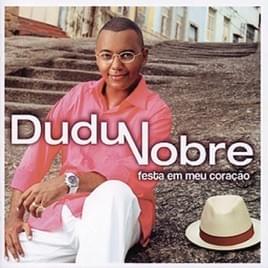
 View Artist