Song Meaning
The narrator finds himself in a situation where his partner, described as a "gueixa," is introducing him to Japanese cuisine and culture. She offers him "bolinho de arroz com molho agridoce no peixe cru," a dish that clearly doesn't appeal to his palate. His immediate reaction is to think about his own comfort food: "baião de dois," "feijão preto, rabada e angu." This sets up a core tension between embracing his partner's world and staying true to his own culinary and cultural roots.
The lyrics highlight the narrator's willingness to compromise for his partner, stating he'll "aceito calçar um chinelo, vestir um quimono e comer de pauzinho." He even endures a potentially awkward sexual encounter, "quase paguei um vexame," and puts in significant effort, "trabalho que deu pra fazer a madame feliz." However, despite these concessions and the allure of being taken "pro japão," his mind drifts back to his fundamental preference. The phrase "fiquei pensando na fome" is the turning point, revealing that even amidst these efforts, his true desire is for his familiar, hearty meals.
The most striking aspect is the narrator's direct comparison of the two culinary worlds. He contrasts the "sushi, tempura, sashimi" with his "velho papá," ultimately declaring, "Sou mais o arroz com feijão do que o rango de lá." This isn't just about food; it's a declaration of identity. The narrator, who identifies as a "bom brasileiro, chegado a tempero," finds more satisfaction and authenticity in his traditional fare than in the exotic offerings presented to him. The "jogo de cintura" he employs to navigate this cultural difference ultimately leads him back to his own grounded preferences.
This lyrical narrative effectively captures a relatable internal conflict: the balance between adapting to a partner's desires and maintaining one's own sense of self and comfort. The humor and vivid imagery of the food, combined with the narrator's straightforward declaration, make his preference for "arroz com feijão" a powerful statement of cultural and personal identity. It’s a charmingly stubborn assertion of what truly satisfies him, even when faced with perceived sophistication.
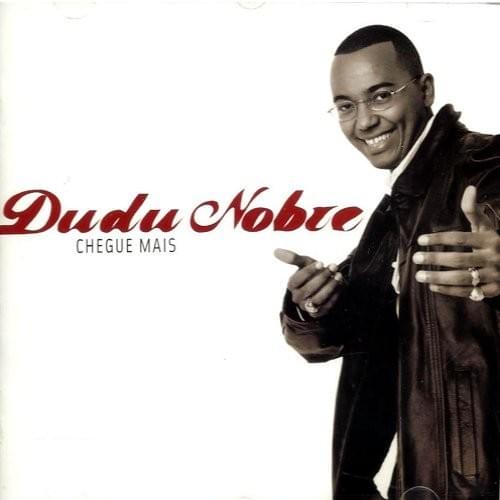
 View Artist