Song Meaning
Zeca Pagodinho's "O Samba Vai Te Pegar" isn't merely a song; it's a declaration. A rhythmic manifesto served with a wink and a knowing smile. Pagodinho, a titan of samba, presents the genre not just as music, but as an irresistible force – an embrace that will, inevitably, claim you. The repetition of "O samba vai te pegar" (the samba will get you) acts as both invitation and prophecy. It speaks to the seductive nature of samba, its ability to draw you in, transcending mere listening and demanding participation. The instrumentation cited – pandeiro, cavaco, violão, repique, tantã – are not just instruments, but characters in this drama of rhythmic capture. They create the sonic net that will ensnare the listener.
But the song's allure isn't simply about rhythm. Pagodinho delves into the deeper cultural significance of samba. He acknowledges its power to "levanta poeira no chão" (raise dust from the ground), suggesting a stirring of emotions, a shaking off of complacency. "Meu samba é quente e envolvente toca o seu coração" (My samba is hot and engaging, it touches your heart) – here, samba becomes a conduit for feeling, a way to connect with something primal and deeply human. Crucially, Pagodinho states: "Num samba eu mostro a realidade e canto a nossa verdade" (In samba I show reality and sing our truth). Samba is then not just entertainment, but a form of social commentary, a way to express the lived experiences of the people.
This social element is further emphasized in the lines about seeing the joy of "meu povão" (my people). "O Samba Vai Te Pegar" becomes a celebration of community, a shared experience that transcends individual sorrows. It’s an antidote to "mágoas das águas passadas" (the sorrows of past waters). The final verse encapsulates the song's central argument: debate whether you like it or not, the best response is to "sambar até o amanhecer" (samba until dawn). It is a powerful statement about the transformative and unifying power of music, specifically samba, to overcome adversity and celebrate life. Pagodinho isn't just singing a song; he's issuing an irresistible call to join the dance, to be swept away by the collective joy and catharsis that only samba can provide.
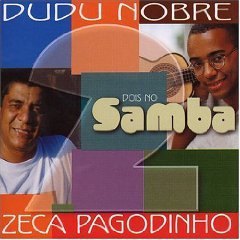
 View Artist