Song Meaning
The lyrics paint a vivid picture of someone standing at a critical juncture, seemingly unable to move forward despite having opportunities. The speaker observes this paralysis, wrestling with the painful necessity of stepping back. It's a raw depiction of a relationship reaching its difficult, inevitable end.
The central emotional tension stems from the subject's internal conflict: they "got a road but you don't know how to take it." This inability to act, despite potential, forces the speaker to confront their own limits. The path ahead for the subject is described as "full of hope but it leads you far from home," suggesting a journey that, while promising, also carries a heavy cost of isolation.
The craft here is particularly effective in its use of paradox and repetition. Phrases like "you got it made but you don't know how to make it" highlight a frustrating gap between inherent advantage and practical execution. The speaker's repeated declaration, "I can't keep looking back for you," functions as a powerful, almost desperate mantra of self-preservation, signaling a necessary emotional detachment from a situation they can no longer influence.
The emotional impact of these lyrics comes from this stark contrast: the subject's potential squandered by inaction, and the speaker's painful but resolute choice to prioritize their own forward movement. The final lines, "Run away / I'll just look the other way," are particularly impactful, conveying a sense of finality and the profound difficulty of letting go, not out of indifference, but out of a clear-eyed understanding that continued engagement is futile.
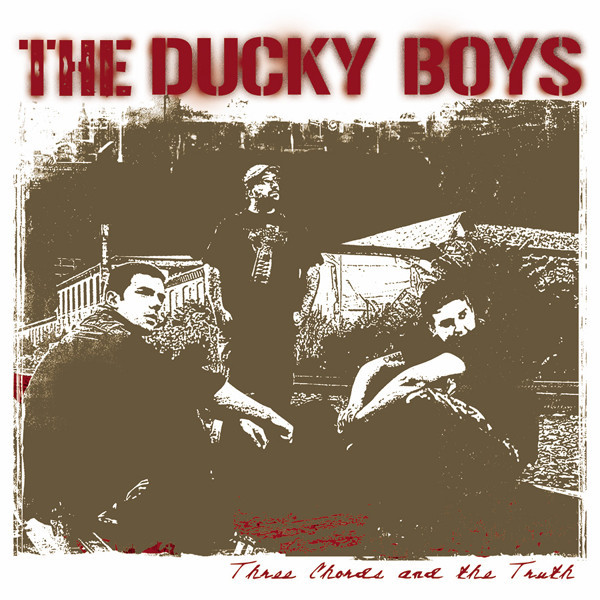
 View Artist