Song Meaning
The narrator is laying down some serious terms of engagement. There's a clear desire for intimacy, a wish for someone to enter their life, but it's heavily conditional. The repeated phrase "Before I give you some" sets up a transactional dynamic, where affection or something more is held back until a specific, yet unstated, action is taken by the other person. The "LADIDI LADIDA" refrain acts as a playful, almost taunting, placeholder for whatever this desired reciprocation might be.
The core tension arises from the clash between desire and a perceived lack of genuine interest from the other party. The lyrics explicitly state, "But you only seem to care for money," suggesting the narrator feels their own value or offerings are being overlooked in favor of financial gain. This leads to a frustrated ultimatum: "If you don't give it up I swear / I'm gonna stop it." The narrator isn't willing to be taken advantage of or to invest further if the connection isn't mutual and based on something beyond material concerns.
The most striking aspect is the use of suggestive, blanked-out phrases that hint at sexual or deeply personal intimacy. Lines like "Baby u can touch my ...." and "If I can get a taste of your ....." juxtapose this raw desire with the transactional demands. Later, the imagery shifts to a more public, perhaps boastful, scenario: "too many girls in your Jaccuzi." This contrast between private longing and public display of infidelity or promiscuity underscores the narrator's frustration and reinforces their decision to withhold. The repeated "LADIDI LADIDA" becomes a sonic shrug, a dismissive yet catchy dismissal of a situation that isn't meeting their expectations.
Ultimately, the effectiveness of these lyrics lies in their bluntness and the clever use of implication. The narrator isn't just expressing disappointment; they're asserting control by withholding what the other person seemingly desires, while simultaneously highlighting the other's superficiality. The catchy, almost nonsensical refrain masks a sharp critique of a relationship imbalance, making the underlying message about self-worth and unmet expectations hit harder.
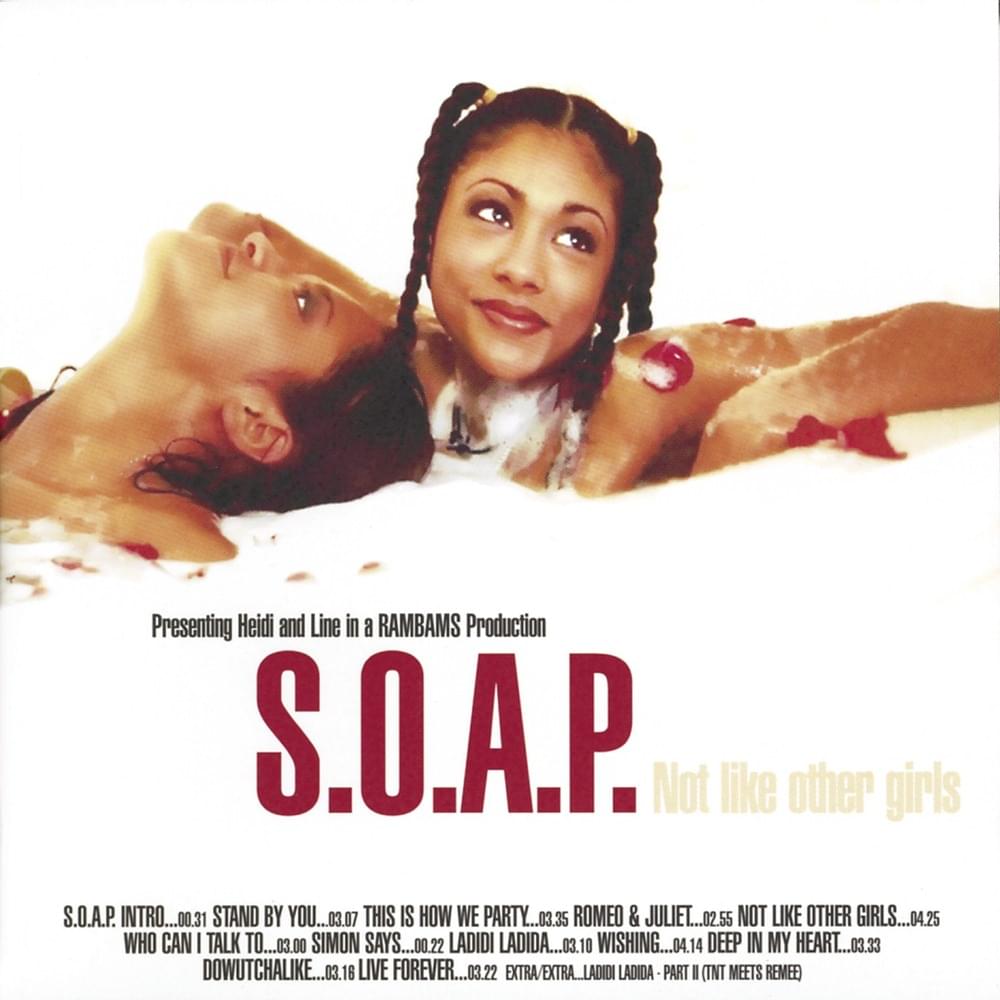
 View Artist