Song Meaning
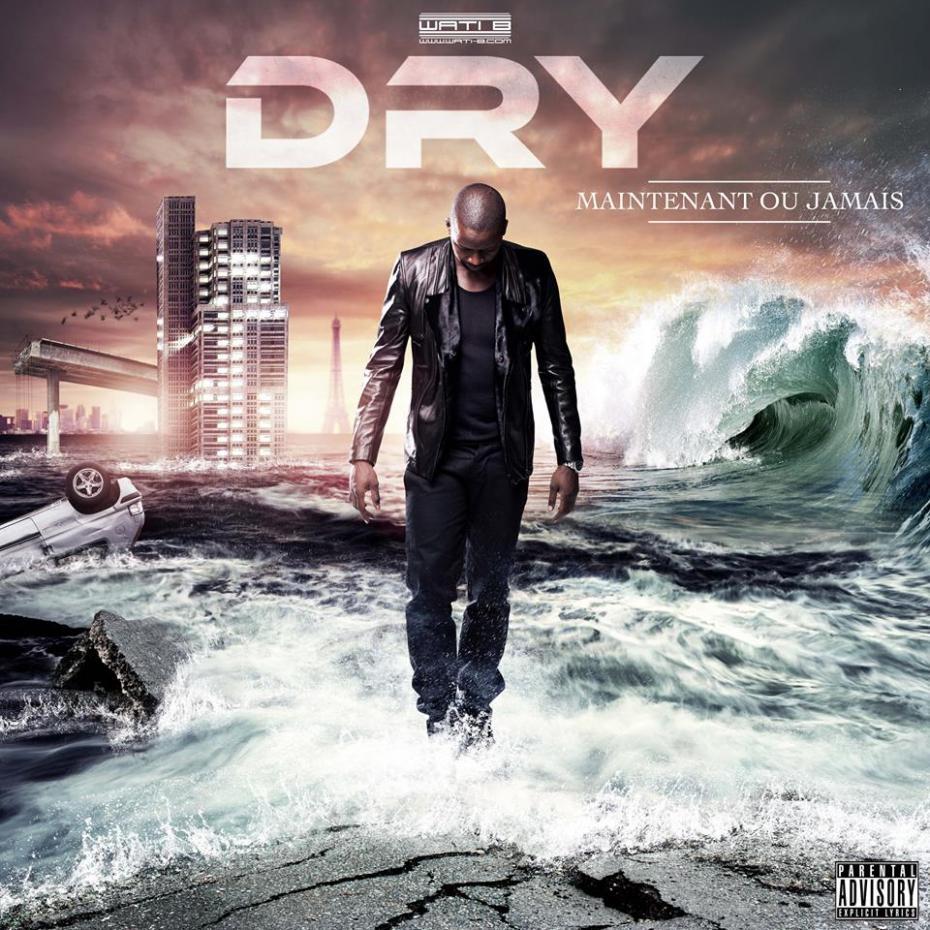
This outro feels like a final, heartfelt dedication, a moment of reckoning after a long journey. The opening line, "Tôt ou tard, les derniers s'ront les premiers," sets a tone of eventual vindication, but it’s immediately undercut by the urgent "Mais c'est maintenant ou jamais." This contrast suggests a critical juncture, a point where past struggles must yield to present action or be lost forever.
The lyrics pivot sharply to acknowledge a vast network of support: "À mon Intouchable, Mamad, M.S, Demon One et bien sûr L.A.S," followed by shout-outs to Dawala, D.R.Y., and the "Mafia Africaine." These dedications underscore a deep sense of gratitude, crediting these individuals with enabling the narrator's rap career. The mention of Sexion d'Assaut further emphasizes this debt, implying their influence was crucial to the narrator's persistence in the craft.
The emotional core shifts dramatically with the address to family. The narrator admits to causing pain to his wife, "Trop d'fois j'ai mis son cœur en flamme," and anticipates her tears. This raw confession reveals a profound regret and a recognition that personal relationships have suffered due to his pursuits. The line "Car dans mes rêves, il n'y a plus d'art" is particularly striking, suggesting a potential burnout or a loss of creative spark, leading to the bleak conclusion that "le bonheur n'est qu'inception."
Ultimately, the effectiveness of these lyrics lies in their raw honesty and the stark juxtaposition of public acknowledgment with private pain. The rapid-fire dedications create a sense of community and achievement, only to be followed by a deeply personal admission of failure in intimate relationships. This emotional whiplash, moving from external validation to internal despair, makes the outro a poignant reflection on the cost of ambition.
 View Artist