Song Meaning
The narrator starts with a firm declaration: "No, io no, io no." This opening isn't just a refusal; it's a deep-seated stance against changing who they are. They assert their unchanging nature, stating, "Così sono e resterò" (This is how I am and I will remain). This initial defiance is tied to a powerful sense of personal freedom, a core idea that "La mia idea di libertà" (My idea of freedom) will not be lost, even as it navigates against the wind, suggesting an enduring, ageless spirit.
The lyrics then introduce a sense of time passing and external shifts. "E son passati giorni" (And days have passed) marks a transition where "miti e ideologie" (myths and ideologies) crumble, and truths and lies blur. Even stars, once bright, are suddenly extinguished, highlighting a world in flux. This external chaos contrasts with the narrator's initial unwavering resolve, setting up a central tension between personal immutability and the inevitable changes happening around them.
The most striking shift occurs when the narrator admits to their own change, directly contradicting their earlier pronouncements. "E son diverso anch'io, lo so" (And I am different too, I know) is a pivotal moment. The vow of "no" is broken, but crucially, this transformation isn't a surrender to external pressures. Instead, it's a change that happens "con te" (with you), implying a relationship that has fostered growth and evolution, making the change feel earned and shared rather than forced.
Ultimately, the song's power lies in this nuanced evolution. The repeated "No, io no" initially signifies stubborn independence, but it transforms into a declaration of a love that inspires profound, albeit acknowledged, personal growth. The narrator's journey isn't about staying the same, but about how significant relationships can facilitate change, making the final acceptance of transformation, "Ma è con te che lo farò" (But it's with you that I will do it), deeply resonant.
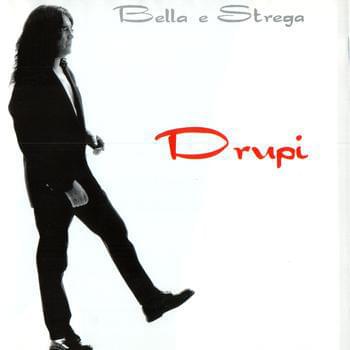
 View Artist