Song Meaning
The lyrics paint a picture of someone offering solace and support, acknowledging past pain with "see my scars." There's a palpable sense of vulnerability and a desperate plea for connection, as the narrator states, "You're the only one, that I really trust." The immediate emotional texture is one of earnest reassurance mixed with a deep-seated need for validation and rescue.
The central tension revolves around a complex exchange: the narrator offers to "save my soul" while simultaneously admitting to having "sold my soul." This paradox suggests a willingness to sacrifice or perhaps a past transgression that weighs heavily. The repeated plea, "Why don't you save my precious soul?" underscores a profound sense of desperation and a search for redemption through another person's belief or intervention.
The most striking craft element is the insistent, almost hypnotic repetition of key phrases like "Save my soul" and "Sold my soul." This duality creates a powerful push-and-pull, highlighting the internal conflict between wanting to be saved and feeling irrevocably compromised. The parenthetical echoes of lines like "I am" and "need a friend" further emphasize this sense of internal dialogue and external appeal, as if the narrator is trying to convince both themselves and the listener.
This writing is effective because it taps into a raw, relatable struggle for self-worth and external validation. The direct address and the stark, almost confessional tone make the narrator's plea feel immediate and urgent. The ambiguity of whether the narrator is offering salvation or desperately seeking it themselves, coupled with the acknowledgment of past "scars," creates a compelling emotional landscape that resonates with the universal desire for understanding and acceptance.
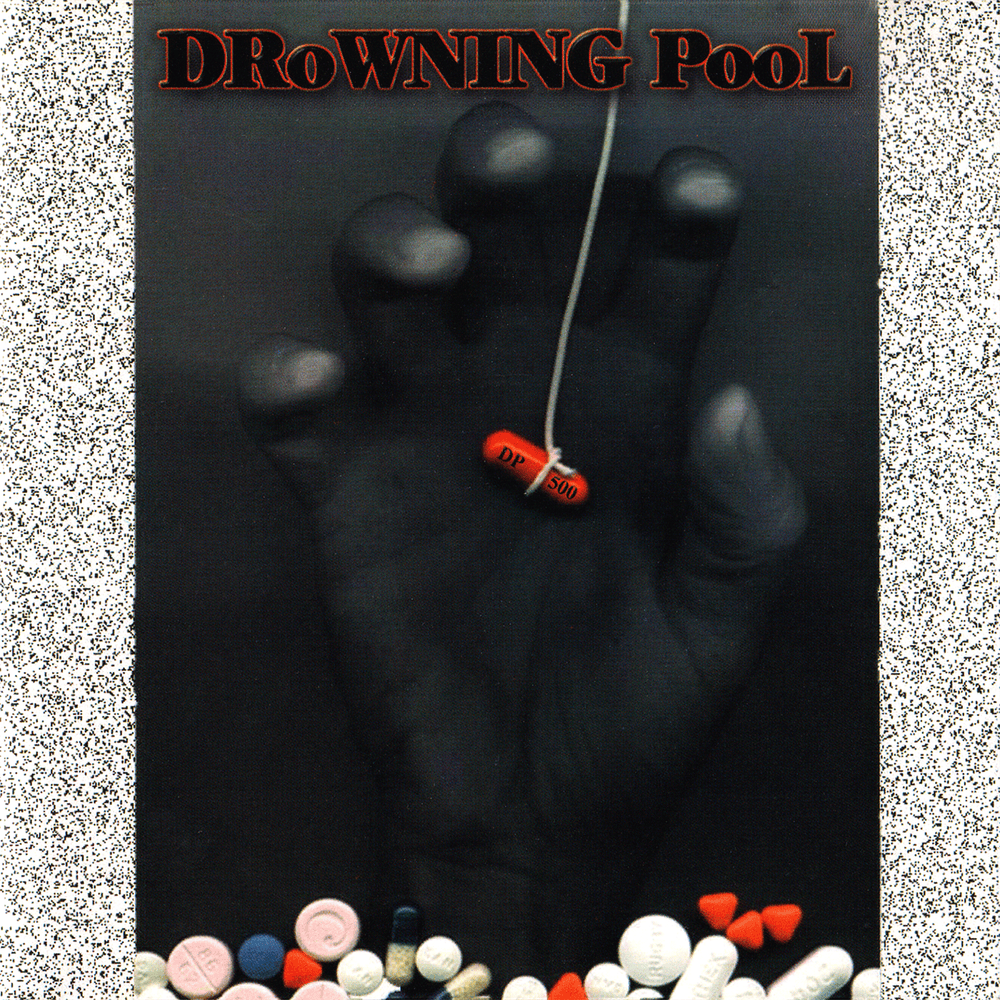
 View Artist