Song Meaning
The lyrics paint a picture of profound disillusionment with someone else's ambitions. The opening lines immediately establish a sense of being overlooked, with the narrator stating, "Your vision was never mine to share." This isn't just a passive observation; it's a declaration of detachment from a path that was never aligned with their own desires. The world is perceived as corrupt, symbolized by "dirty green," and the narrator expresses a destructive impulse, wanting to "refill it with gasoline," suggesting a desire to obliterate the existing, flawed system.
The central tension arises from this disconnect between the narrator's internal state and the external world, particularly the "vision" of another. The feeling of being "pushed aside" and observing others with "oversized" portions of success highlights a deep-seated resentment and a sense of injustice. The repetition of "Your vision" throughout the song hammers home the idea that this external ambition is a constant, oppressive presence, one that the narrator actively rejects. The phrase "live for tomorrow seems so sad" suggests a weariness with forward-looking plans that don't resonate, preferring a more immediate, perhaps even chaotic, existence.
The most striking craft element is the stark contrast between the narrator's internal world and the perceived superficiality of the external one. The "dirty green" of corruption and greed is directly juxtaposed with the "fake communication through tv screens," painting a bleak picture of societal values. The narrator finds reality itself "unreal," and expresses no sympathy for the powerful figures, the "kings and the queens," who are "blinded by dirty green." This rejection of conventional power structures and their motivations is a powerful statement of alienation.
Ultimately, the effectiveness of these lyrics lies in their raw, unvarnished expression of alienation and rejection. The relentless repetition of the core phrase, "Your vision was never mine to share," creates an almost mantra-like quality, emphasizing the finality of the narrator's stance. It’s a powerful articulation of the feeling of being trapped by someone else's dreams, a sentiment that resonates with anyone who has felt their own path diverge from expectations, leading to a potent sense of personal liberation through outright refusal.
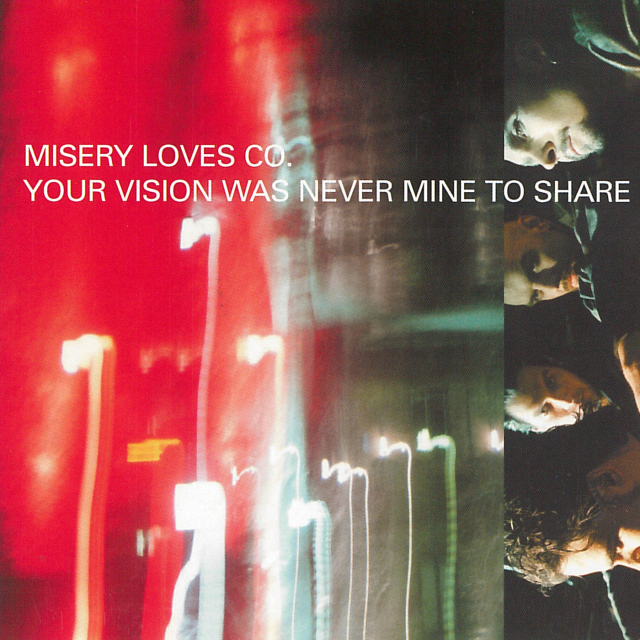
 View Artist