Song Meaning
The lyrics paint a picture of someone feeling overwhelmed and judged by another person's constant questioning and unsolicited advice. The narrator is presented with "questions I can't answer" and "problems I can't solve," suggesting a dynamic where they are expected to perform or provide solutions beyond their capacity. This external pressure is met with a passive resistance, a "hide a smile, I wear a frown," and a desire to "play the clown," perhaps as a coping mechanism or a way to deflect the seriousness of the situation.
The core tension arises from the narrator's internal struggle against this external imposition. While the other person offers "reasons for your ideas" and "facts behind your thoughts," meticulously pointing out the narrator's "faults," the narrator feels unable to engage with these critiques meaningfully. The repeated refrain, "Is there anything at all?" underscores a sense of futility and a plea for genuine connection or understanding beyond the analytical.
A striking shift occurs in the second verse, where the narrator embraces a fatalistic approach to decision-making. The imagery of a "long death dance" and the decisive act of making a choice and "throw[ing] it up" like a shot glass, "down the hatch," signifies a surrender to impulse and finality. This is a stark contrast to the analytical pressure from the other person; here, decisions are made with "no second chance," suggesting a deliberate move away from overthinking and toward immediate, perhaps reckless, action.
This juxtaposition of external judgment and internal, almost desperate, self-determination is what gives the lyrics their punch. The narrator's eventual embrace of impulsive choice, despite the potential consequences, feels like a defiant response to being constantly analyzed and found wanting. It’s a powerful portrayal of someone choosing to act, even if it’s a gamble, rather than remain paralyzed by external scrutiny.
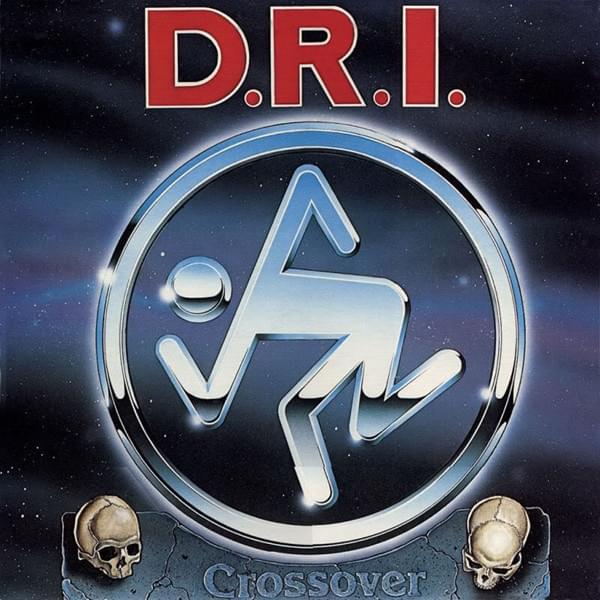
 View Artist