Song Meaning
The lyrics paint a picture of someone perceived as a "closet punk," someone who adopts the outward trappings of rebellion without genuine commitment or understanding. The narrator directly addresses this individual, dismissing their "stupid lines like 'Anarchy Rules'" as performative and hollow. It's clear the narrator sees through the facade, highlighting the disconnect between the punk aesthetic and the subject's actual life and motivations. The repeated phrase "You're in this just for fun" underscores the idea that the rebellion is superficial, a game rather than a deeply held conviction.
The central tension lies in the contrast between the outward presentation and the hidden reality. The lyrics suggest a duality: the "bandannas and boots" and "camouflage jacket" versus the presumed normalcy of "work" and "play." This internal conflict is further emphasized by the detail of the "Mohawk that you comb down in the day," a clear visual of suppressing the rebellious image for everyday life. The narrator uses this contrast to expose the subject's lack of authenticity, implying that true punk spirit would not involve such compromises or concealment.
The most striking aspect of the craft here is the direct, almost taunting, address and the specific, often harsh, imagery used to dismantle the subject's persona. Phrases like "wrap around glasses make you look like a faggot" are provocative, designed to shock and belittle, reflecting the narrator's contempt for the perceived inauthenticity. The repetition of "closet punk" and "Stay in the closet where you belong" hammers home the central accusation, framing the subject's identity as something to be hidden and ashamed of, rather than a genuine expression.
Ultimately, these lyrics resonate because they tap into a common critique of performative subcultures. The effectiveness comes from the narrator's unwavering, almost aggressive, dissection of the subject's lack of commitment. By focusing on specific, tangible details – the comb-over Mohawk, the traded tennis racket – the lyrics create a vivid, albeit unflattering, portrait of someone who wants the image of rebellion without the substance, making the critique feel sharp and personal.
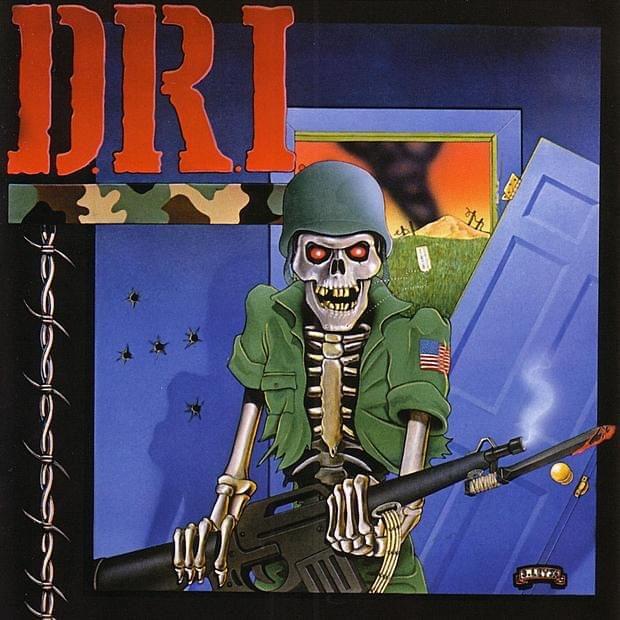
 View Artist