Song Meaning
This track throws down a gauntlet, immediately questioning identity and embracing a defiant stance against external judgment. The opening lines, "Just who do we think that we are, anyway / I leave it to you, Assume away," set a tone of ironic detachment, daring others to project their own narratives. It’s a bold declaration that the group’s self-perception is secondary to the labels others are so eager to apply, all while hinting at a core belief in a more potent, self-destructive path: "Better to burn out - than fade away."
The central conflict here is a fierce rejection of societal condemnation. The narrator and their cohort are cast as "Anti-Christ" and "evilized," facing accusations that could lead to severe punishment, symbolized by the threat of being "stoned." Yet, this persecution is met not with fear, but with a dismissive "No no no!" The lyrics suggest a deliberate embrace of this outsider status, finding a perverse enjoyment or at least a profound indifference to the outrage they provoke.
The most striking lyrical device is the juxtaposition of archaic language like "calleth" with modern, almost dismissive slang. This creates a unique tension, as if ancient prophecies of doom are being warped into contemporary taunts. The repetition of "It don't mean, it don't mean, it don't mean a thing..." after the pronouncement "The king is dead - long live the king" strips away any perceived significance from these pronouncements, reducing grand pronouncements to mere noise.
Ultimately, the power of these lyrics lies in their unwavering commitment to a radical, almost nihilistic, self-definition. By refusing to engage with or be defined by accusations, and by framing their existence as a choice between explosive impact and quiet disappearance, the song crafts an anthem for those who feel alienated. The defiant spirit, amplified by the relentless rhythm and the scornful dismissal of critics, makes the listener feel the exhilarating freedom of embracing their own perceived monstrosity.
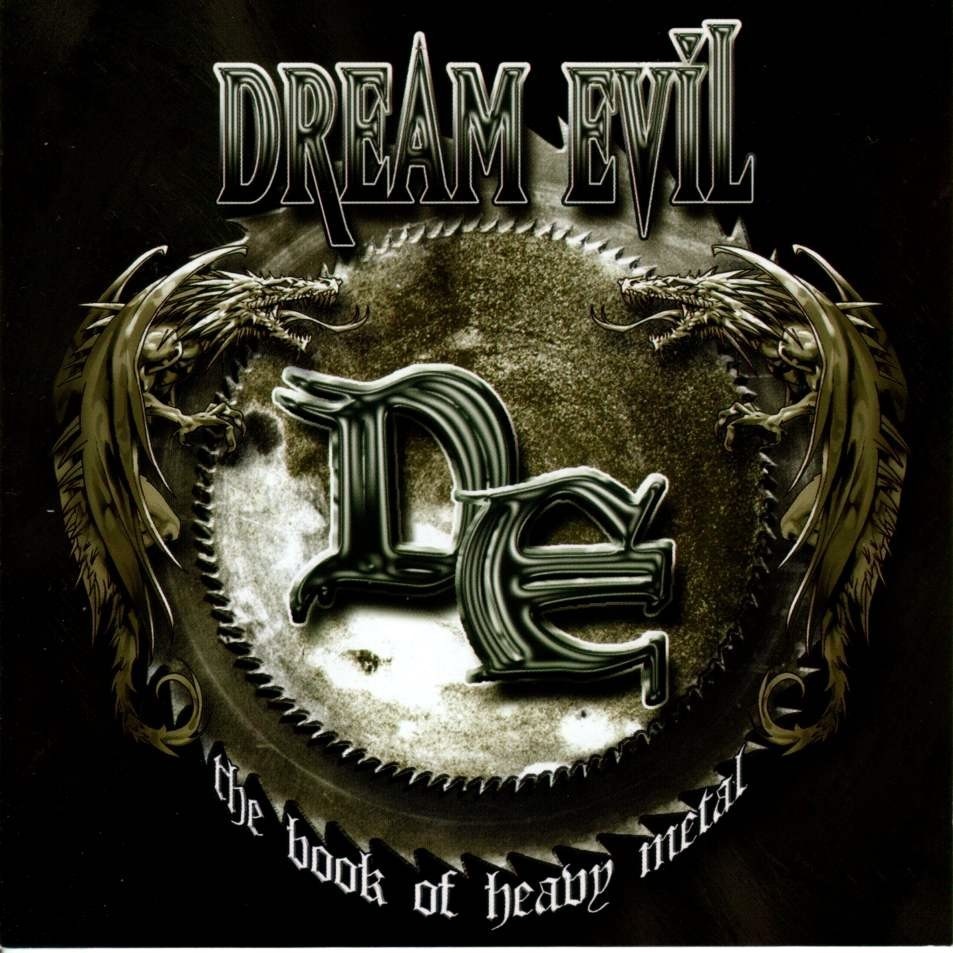
 View Artist