Song Meaning
This ditty paints a picture of a child who’s constantly getting into trouble and seeking refuge in a place called "snickerbo" – a workshop or shed. The narrator rushes there "again" because "it's urgent" and "it's cut again," suggesting a recurring pattern of mischief and its immediate consequences. The repeated, nonsensical refrain "Snickerboa hopp fallera" acts as a playful, almost desperate, plea or a chant of escape.
The central tension lies between the child's impulsive actions and the looming presence of their father. The narrator admits to running to the snickerbo "when I've done something," but notes that "Dad runs just as well, though not as fast." This implies a game of chase, where the snickerbo is a temporary sanctuary before the inevitable confrontation. The father's stern warning, "It must stop with my pranks," highlights the escalating nature of the child's behavior, which has clearly "broken" the father.
The most striking element is the contrast between the frantic energy of the escape and the eventual calm found within the snickerbo. After the chase and the father's ultimatum, the narrator finds solace, declaring, "Oh, dear little snickerbo, how glad I am for you! Here I sit in peace and quiet and just rest." This shift from panic to tranquility underscores the snickerbo's role as a safe haven, a place where the consequences of actions can be temporarily suspended.
What makes these lyrics resonate is their simple, direct portrayal of childhood naughtiness and the universal need for a safe space. The repetitive structure and the childlike refrain mirror the cyclical nature of misbehavior and the immediate comfort found in a private den. It captures that specific feeling of being caught, fleeing, and finding a moment of peace before facing the music, all through vivid, albeit simple, imagery.
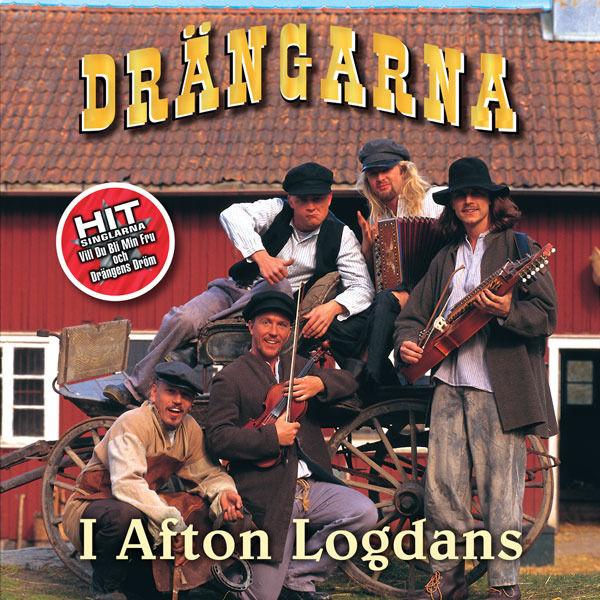
 View Artist