Song Meaning
The lyrics paint a picture of a volatile, almost detached interaction, framed by the repeated phrase "Don't threaten me with a good time." This opening sets a tone of ironic defiance, suggesting that the speaker is either unimpressed by potential pleasure or perhaps anticipating a negative outcome despite the allure of something enjoyable. The narrator seems to be observing someone who is outwardly focused on superficialities – "exotic models," "a lot of follows," and "showing off" – while simultaneously claiming a lack of genuine emotional investment. Phrases like "I was only enquiring, don't take me too seriously" and "I don't ever feel hard feelings" underscore this performative nonchalance.
The central tension arises from this push-and-pull between outward presentation and internal state, or perhaps the narrator's perception of it. There's a sense that the subject is expected to change, as the repeated "you're gonna change" suggests a prediction or a hope. Yet, the narrator also admits to their own potential for change and "not always ha[ving] good taste," blurring the lines of who is judging whom. The chorus offers a dramatic, almost violent imagery – "hijack it," "heart attack me" – juxtaposed with a moment of shared, unspoken connection at a party, culminating in the enigmatic declaration "we're outie." This abrupt ending feels less like a conclusion and more like a sudden departure, mirroring the overall sense of instability.
The most striking craft element is the juxtaposition of mundane actions with intense emotional or physical reactions. Taking a taxi becomes an act of aggression, and a party encounter leads to a "heart attack" and a telepathic understanding. This heightened, almost surreal language amplifies the feeling that the situation is charged with unspoken drama, even as the narrator attempts to downplay their own involvement. The repetition of the intro/refrain acts as a grounding, albeit ironic, anchor, constantly returning to the idea of a threatened good time, implying that the perceived threat is more potent than any actual pleasure.
Ultimately, these lyrics resonate because they capture a specific kind of modern detachment and performative indifference. The narrator’s insistence on not taking things seriously, while simultaneously describing intense scenarios, creates a compelling internal conflict. It’s this tension between the casual dismissal and the underlying emotional turbulence, hinted at through vivid, albeit brief, bursts of imagery, that makes the narrative feel both specific and unsettlingly familiar.
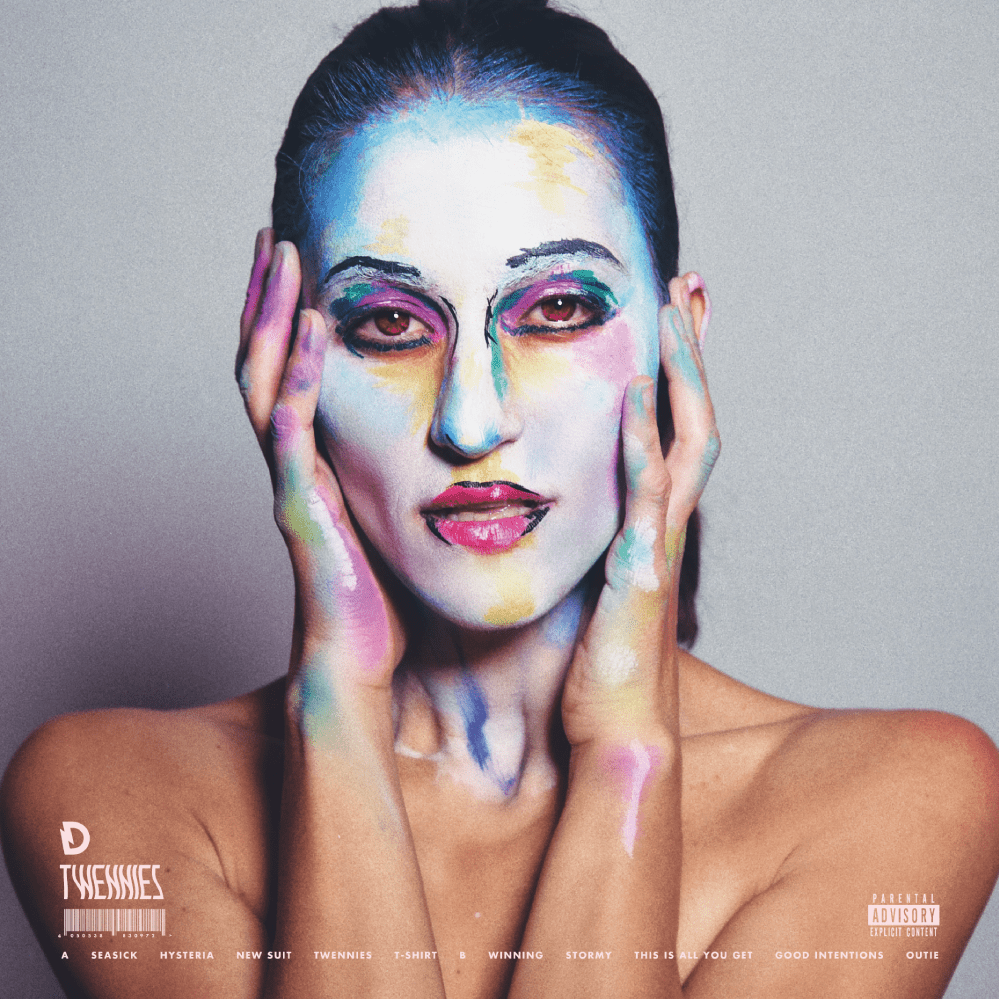
 View Artist