Song Meaning
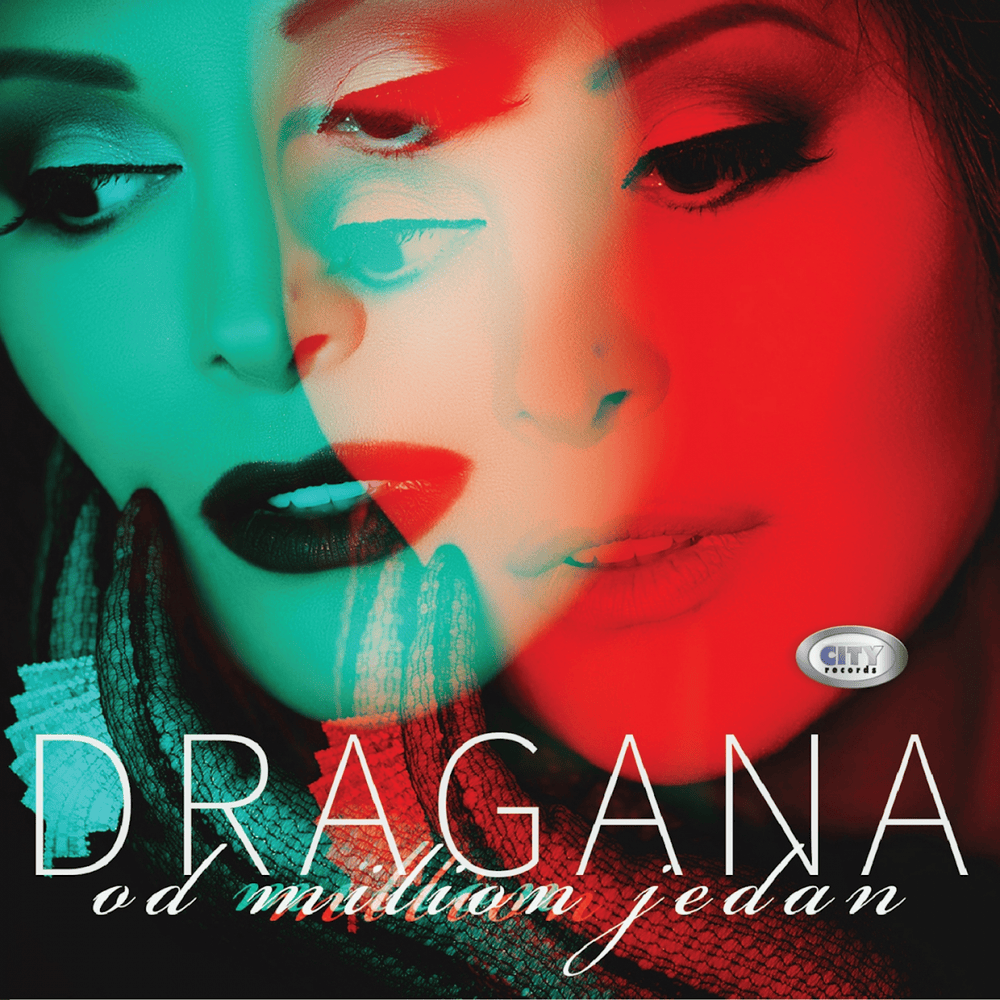
This song captures a desperate plea for a loved one to return and reaffirm their connection. The narrator insists there's no reason for sadness, yet their own words reveal a deep-seated anxiety and dependence. The repeated line, "Nemaš ti razlog da budeš tužan i da ne uživaš" (You have no reason to be sad and not enjoy yourself), feels less like reassurance and more like a desperate attempt to convince themselves as much as the other person.
The central tension lies in the narrator's intense fear of abandonment versus their desire for their partner's happiness. They want the partner to "Zagrli opet ljubav svoju" (Embrace your love again), but the imagery used is striking: "kô srnu ranjenu" (like a wounded doe). This suggests the love itself is fragile, perhaps even damaged, and needs careful handling, not just a simple embrace. The narrator's own vulnerability is laid bare when they state, "nikad više nemoj da odeš, to neću podneti" (never leave again, I won't be able to bear it).
The most compelling craft element is the stark contrast between the outward assertion of no reason for sadness and the internal, almost frantic, need for the partner's presence. The narrator lives "za dan kada ćeš doći da opet smiriš me" (for the day you'll come to calm me again), highlighting a profound reliance. The phrase "Deo po deo, možeš mi pola života odneti" (Piece by piece, you can take half my life) is a powerful, almost violent, expression of how much this person means, suggesting their departure would be a devastating, life-altering event.
Ultimately, the lyrics resonate because they articulate a raw, almost primal fear of loss intertwined with a fervent hope for reconciliation. The narrator isn't just asking for a hug; they're begging for an anchor, for the return of someone whose absence feels like a slow, agonizing diminishment of their own existence. The plea to "Zagrli opet" is a plea to be made whole again.
 View Artist