Song Meaning
The lyrics paint a stark picture of heartbreak, directly contradicting the common wisdom that time heals all wounds. The narrator insists, "Lažu, srećo, teže mi je nego pre" – they're not getting better, they're getting worse. This isn't a gentle fading of pain; it's an active, worsening condition, with the sky above described as "Pakleno" (hellish) and everything dying as the loved one leaves. The emotional landscape is one of profound desolation.
The central tension lies in the narrator's inability to move on, despite the external pressure to do so. They reject the idea that time will mend their "tugu, bol" (sadness, pain), stating, "Ja ne živim otkad više nisi moj" (I haven't lived since you're no longer mine). The paths ahead are "Uklete" (cursed), and the end of the relationship still stings deeply. The plea, "Kako mi je, samo ti me ne pitaj" (How I am, just don't ask me), underscores a desire to shield the other person from their suffering, or perhaps an acknowledgment that the pain is too immense to articulate.
The most striking element is the repeated, almost ritualistic refrain: "Kaži zbogom, ljubavi, nek te vode drumovi / Ja ti više nemam gde, ljubav umire" (Say goodbye, love, let the roads take you / I have nowhere to go anymore, love dies). This isn't just a farewell; it's an acceptance of finality and a confession of utter dependence. The roads taking the loved one away signifies their departure, but the narrator's lack of direction ("nemam gde") and the dying love highlight their own stagnation and the death of their emotional world. The repetition hammers home the inescapable nature of this loss and the narrator's bleak outlook.
What makes these lyrics hit so hard is their raw, unflinching honesty about the destructive power of loss. The narrator doesn't offer platitudes or hope for reconciliation; they articulate a present reality of deep suffering and a future devoid of direction. The contrast between the external world's supposed healing properties and the narrator's internal decay creates a powerful sense of isolation and the devastating finality of a love that has truly died.
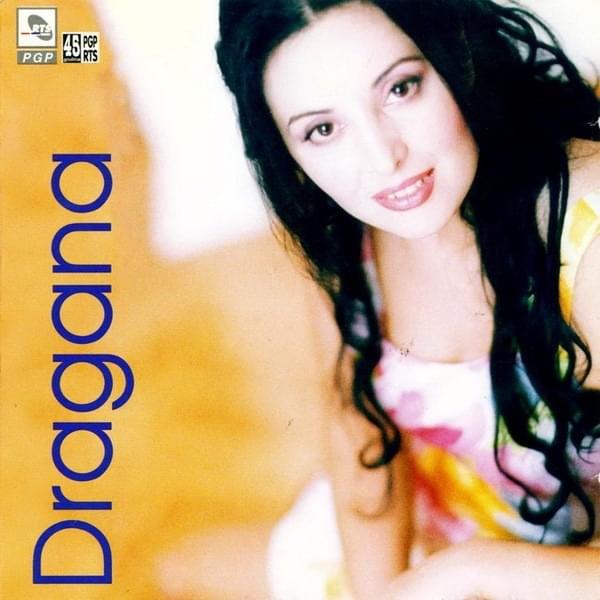
 View Artist