Song Meaning
The narrator is trapped in a profound regret, fixated on a love that can never be confessed. The opening lines, "Jedan život je, a za mene kasno je" (There's one life, and for me it's too late), immediately establish a tone of finality and missed opportunity. This isn't about a future possibility; it's about a past that's solidified into an unchangeable present. The repetition of this sentiment underscores the narrator's feeling of being stuck, unable to alter the course of events or express the depth of their feelings.
The central tension lies in the unrequited or unexpressed love and the narrator's inability to reveal it. The lyrics state, "Da ti kažem, da ti priznam kako volim te" (To tell you, to admit how I love you), but this confession is perpetually deferred. This internal conflict is amplified by the stark contrast between the narrator's intense feelings and the beloved's complete ignorance: "Šta si mi bio ti, nikad nećeš saznati" (What you were to me, you will never know). This creates a poignant sense of isolation, where the most significant aspects of the narrator's emotional life remain hidden.
The most striking aspect of the craft is the relentless repetition, not just of the core phrases but of the entire structure. This mirrors the narrator's obsessive thoughts and the feeling that their life has stalled. The refrain, "Tajna će ostati, s njom ću umreti" (The secret will remain, with it I will die), is a powerful declaration of a love so deeply buried it will be taken to the grave. The lyrics suggest that the loss of this person, or the inability to be with them, has effectively ended the narrator's own life in a meaningful sense, as stated in the third stanza: "a za mene stao je / Onog časa, onog trena kad izgubih te" (and for me it stopped / That hour, that moment when I lost you).
This lyrical construction is effective because it bypasses any narrative explanation and goes straight for the raw emotional impact of enduring, unspoken love and the crushing weight of regret. The simplicity and directness of the language, combined with the cyclical structure, create a feeling of inescapable sorrow. The listener is left with the profound sense of a life lived in shadow, defined by a love that exists only within the narrator's heart, a secret destined to remain so.
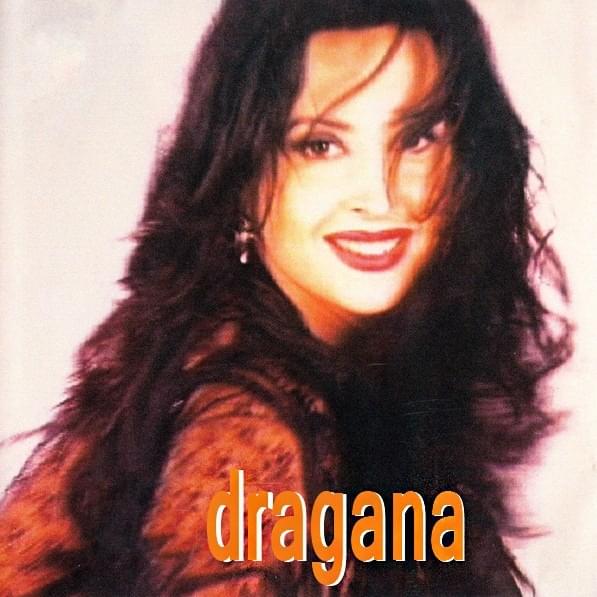
 View Artist