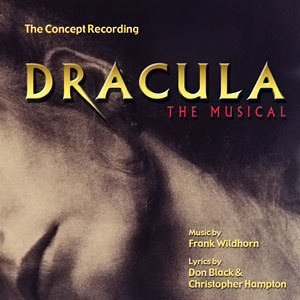
Song Meaning
The lyrics paint a picture of profound, almost divine clarity arriving after a period of struggle. The narrator, Mina, declares "At last there are no questions," signifying a complete resolution of doubt and uncertainty. This newfound knowledge isn't external; it's deeply internal, with her "heart and I have all the answers" and a clear vision for how her "life to go." The emotional tone is one of immense relief and certainty, like emerging from a fog into brilliant sunshine.
This sense of clarity is further emphasized by the metaphor of a lifted "mist." What was once obscured is now "simple, so crystal clear," prompting a reflection on past resistance: "Why did I fight what was meant to happen?" The struggle is explicitly stated as over, with the narrator arriving "here," presumably at a place of peace and understanding. This arrival is not just personal but seems to involve another, as Dracula's lines echo hers, and the final duet shifts the perspective to a shared "our lives" and a collective "we."
The most striking element is the shift from external validation to internal sufficiency. Mina states, "I don't need the sun to make me shine inside; I have your eyes." This suggests that the clarity and inner light she now possesses are not derived from external sources or even her own efforts, but from a connection with another person. The presence and gaze of this other individual provide all the illumination and assurance she needs, making her self-sufficient and complete.
This lyrical construction is effective because it captures the overwhelming feeling of finally understanding one's path and purpose, especially when that understanding is deeply intertwined with another. The repetition of "At last" acts as a powerful refrain, underscoring the long-awaited nature of this resolution. The contrast between the past "fight" and the present "here" creates a palpable sense of catharsis, making the arrival feel earned and deeply satisfying.