Song Meaning
Draco Rosa's "Llanto Subterraneo" isn't just a song; it's an excavation of psychic pain. The track burrows deep into the listener's subconscious, a sonic representation of repressed grief and the struggle against overwhelming darkness. Rosa paints a stark landscape of the mind, initially described as "a long bad dream, a silly horror film," immediately setting the stage for an exploration of internal turmoil. The "never-ending tunnel filled with stones and puddles" is a classic symbol of the arduous journey through depression, a path obstructed by emotional baggage and setbacks. The cyclical nature of suffering is emphasized through the repetition of "El morir despacio!" (dying slowly!), highlighting a prolonged, agonizing process rather than a singular event. It is a slow burn into oblivion.
The core of the song, the repeated line "Voy, voy a volverme un llanto subterráneo" (I'm going, I'm going to become an underground cry), acts as both a surrender and a transformation. The 'underground cry' is not merely sadness, but a primal scream buried deep within the self, a lament that shapes one's very being. It suggests an alchemical change, where sorrow becomes an inherent part of the individual's identity. This transformation is further illustrated with paradoxical imagery: being "newly born in the bed of death" and a "creature of peace, newly a child of the sun with a black face." These oxymorons highlight the complex duality of human experience, where light and darkness are inextricably linked, and rebirth can emerge from the very heart of decay.
Rosa’s masterful use of contrasting imagery continues with the child being "lullabied in the cradle of silence, nursing darkness." This evokes a profound sense of isolation and the acceptance of despair as a source of sustenance. The "desert heart" and "buried sky" speak to a loss of hope and inner light, yet the subsequent "aerial spring" hints at a resilient spirit, a potential for renewal even in the most desolate landscape. "Llanto Subterraneo," therefore, is not simply a lament, but an unflinching examination of the human capacity to endure, transform, and find a fragile beauty within the depths of suffering. It's a soundtrack for those wrestling with their own underground cries, a reminder that even in the darkest tunnels, a faint glimmer of hope might still persist.
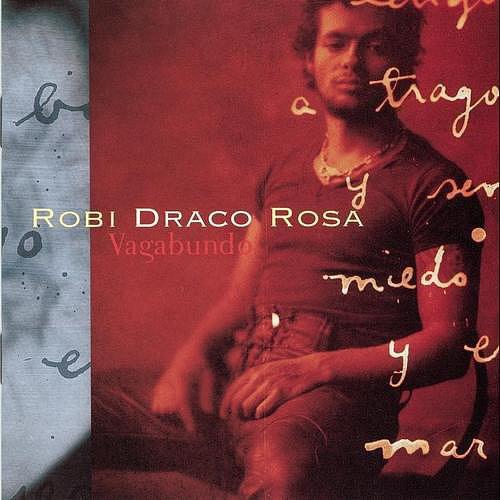
 View Artist