Song Meaning
Dr. John's rendition of "Sometimes I Feel Like a Motherless Child" isn't just a performance; it's a raw, blues-soaked excavation of displacement and existential yearning. The traditional spiritual, already laden with the weight of historical suffering, finds a new, intensely personal resonance in his gravelly voice. It's not simply about literal orphanhood, but a deeper sense of being untethered, adrift in a world that offers little solace. The repetition of the opening line, "Sometimes I feel like a motherless child," acts as a mantra, a cyclical return to the core feeling of abandonment that haunts the song. The simple declaration, "A long way from home," reinforces this, evoking both physical and spiritual distance. It's the blues distilled to its essence: a lament for lost connection.
But Dr. John injects a crucial layer of complexity. The spoken interjections – "Why? 'Cause nothin' ever happens," "Nothin' good" – reveal a profound ennui, a weariness with the mundane struggles of existence. The conversational tone, almost stream-of-consciousness, suggests a man grappling with his demons in real-time. The mention of black-eyed peas and rice, a humble meal, hints at a search for comfort in the everyday, a fleeting attempt to anchor himself in the tangible world. This isn't just about historical trauma; it's about the contemporary experience of feeling lost and disconnected, even amidst the trappings of ordinary life.
The song's power lies in its ability to hold both the universal and the personal. While rooted in the African American spiritual tradition, Dr. John's interpretation transcends simple historical context. It becomes a meditation on the human condition, the inherent loneliness and longing that can plague us all. The final assertion, "But things could be worse, sure could," offers a sliver of hope, a grudging acknowledgment that even in the depths of despair, resilience remains possible. It's a blues for the ages, a reminder that even when we feel most alone, we are connected through our shared experience of vulnerability and the enduring search for meaning.
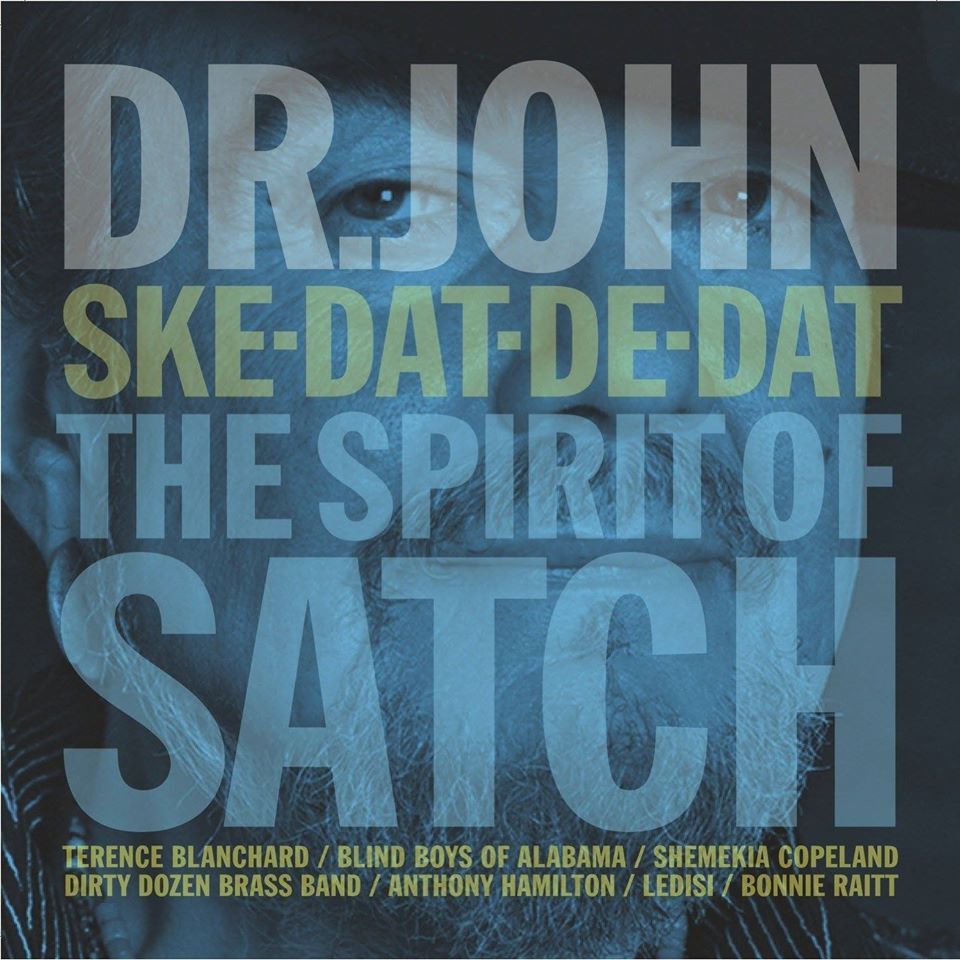
 View Artist