Song Meaning
Dr. John's rendition of "More Than You Know" isn't just a simple profession of love; it's a raw, almost unnerving glimpse into the psychology of dependency. The lyrics, seemingly straightforward, reveal a complex emotional landscape where love intertwines with a desperate need for validation. The repetition of "More than you know" isn't just emphasis; it's a plea, an attempt to bridge an emotional chasm. The singer isn't merely in love; he's trapped, aware of an imbalance of power within the relationship. The phrase "Girl of my heart, I'll string along" hints at a willingness to endure, to accept less than ideal circumstances, all fueled by an underlying fear of abandonment. It suggests a relationship dynamic where the singer is willing to compromise his own needs and desires to maintain the connection. This isn't necessarily a healthy love; it's a codependent bond.
The middle stanzas deepen this sense of imbalance. "Loving maybe all you can give, but honey, I can't live without it" exposes the vulnerability at the heart of the song's meaning. The singer acknowledges the limitations of the love he receives, yet simultaneously confesses his utter dependence on it. This creates a sense of tragic irony – he's aware of the situation's flaws, yet powerless to change it. He is trapped in a cycle of need and potential disappointment. The willingness to accept limited affection, driven by an inability to imagine life without it, speaks to a deeper psychological need, perhaps stemming from insecurities or past traumas.
The final verses, with the repeated lament "Oh, how I'd cry, oh, how I'd cry / If you got tired and said goodbye," solidify the song's exploration of fear and desperation. The singer doesn't just anticipate sadness; he anticipates a profound, almost unbearable pain. The subtle shift from "More than I'd show" to "More than I chose" in the final repetition is particularly telling. It suggests a lack of agency, a feeling of being compelled by emotions he can't control. He didn't choose to feel this deeply; he simply does. This lack of control further emphasizes the song's exploration of dependency and the fear of abandonment that often underlies it. Dr. John delivers not just a love song, but a stark portrait of emotional vulnerability and the desperate lengths to which some will go to avoid being alone.
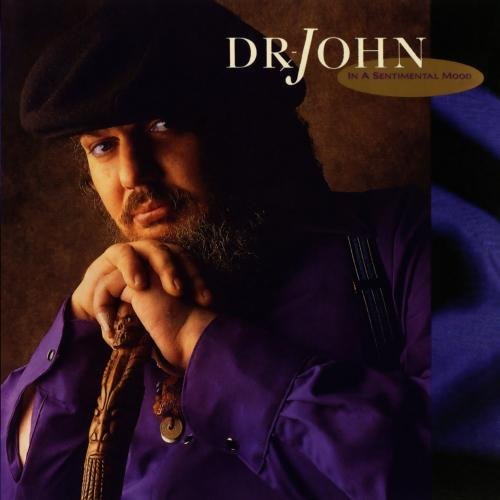
 View Artist