Song Meaning
The narrator is emerging from a period of deep loneliness and regret, directly attributing their pain to a past relationship where they were betrayed. The opening lines establish a stark contrast between past suffering and present relief, painting a picture of long, lonesome days and lonely nights that are finally behind them. This shift is framed as a consequence of having "paid my debt for trusting in you," suggesting a painful but necessary lesson learned.
The core tension lies in the narrator's healing process versus the lingering question of the other person's state. As the narrator's memories of the past fade and their conscience clears, they repeatedly pose the question, "oh what about you?" This isn't just a rhetorical question; it implies a desire to know if the other person has faced any repercussions or experienced similar emotional reckoning. The lyrics suggest a sense of earned peace for the narrator, contrasted with an implied uncertainty about the other's fate.
The most striking craft element is the persistent, almost accusatory refrain, "oh what about you?" It acts as a powerful counterpoint to the narrator's own recovery. The imagery of "clouds drift away, sunshine peeps through" vividly illustrates the narrator's newfound clarity and hope, making the repeated question even more pointed. It highlights the narrator's internal shift from victim to someone who has processed their pain and is now looking outward, demanding accountability or at least acknowledgment.
This song resonates because it captures the complex emotional aftermath of betrayal, moving beyond simple sadness to a place of measured recovery and quiet defiance. The narrator isn't just happy to be free; they've actively processed their hurt and are now confronting the person who caused it, albeit indirectly. The final, fading repetition of the healing imagery underscores the narrator's progress, leaving the listener with the lingering echo of that unresolved question directed at the other party.
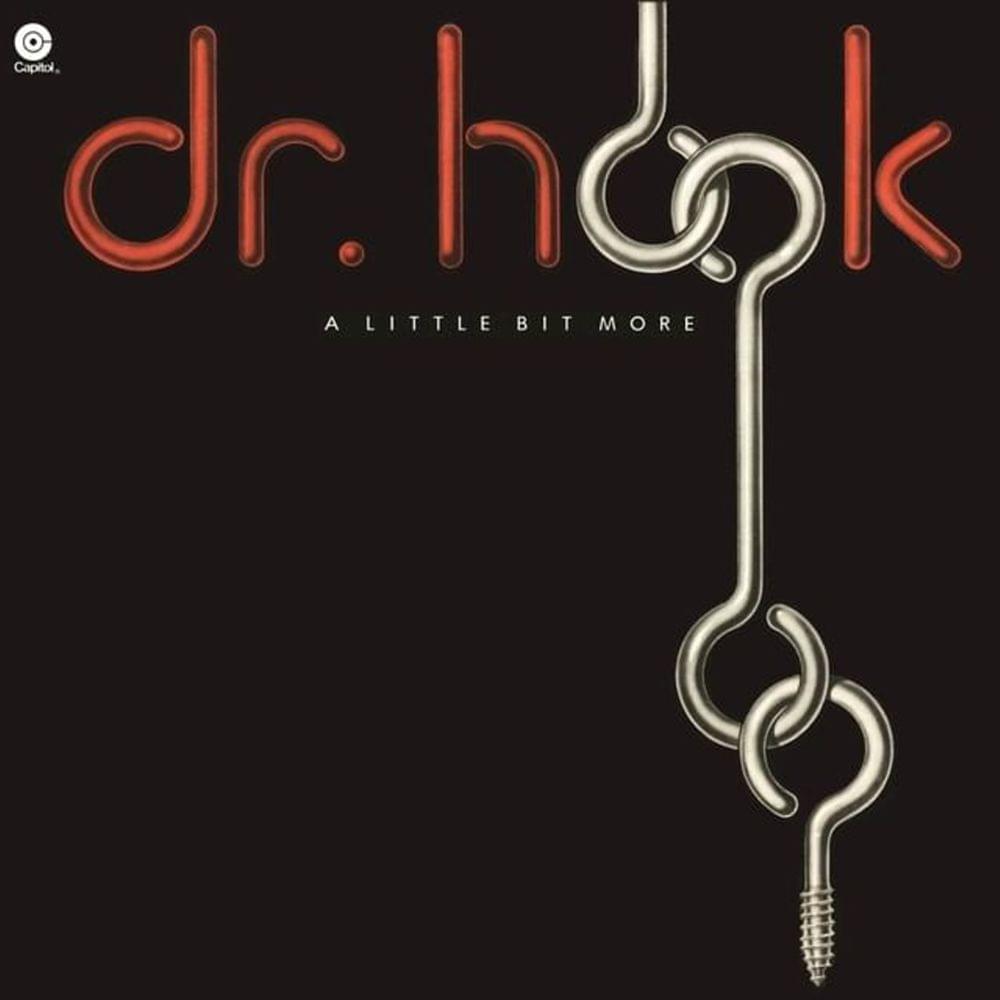
 View Artist