Song Meaning
The lyrics paint a picture of someone grappling with past mistakes and a desire to rewind time. There's a palpable sense of regret, a wish to undo whatever caused the "mess." The opening lines, "Acting, acting funny / Funny after laughter fades," suggest a shift from joy to unease, a realization that something is amiss once the immediate happiness dissipates. This sets up a core tension: the longing for a pristine past versus the reality of present consequences.
The central conflict seems to be an internal struggle between wanting to escape the current situation and the need to confront it with newfound strength. The repeated commands to "Rest easy" and "Sleep soundly" feel less like genuine peace and more like desperate pleas or a forced calm. This is juxtaposed with the urgent, almost paradoxical instruction to "Wait patiently / Patience like there ain't no need to wait," highlighting a deep-seated anxiety about the passage of time and the inability to truly go back.
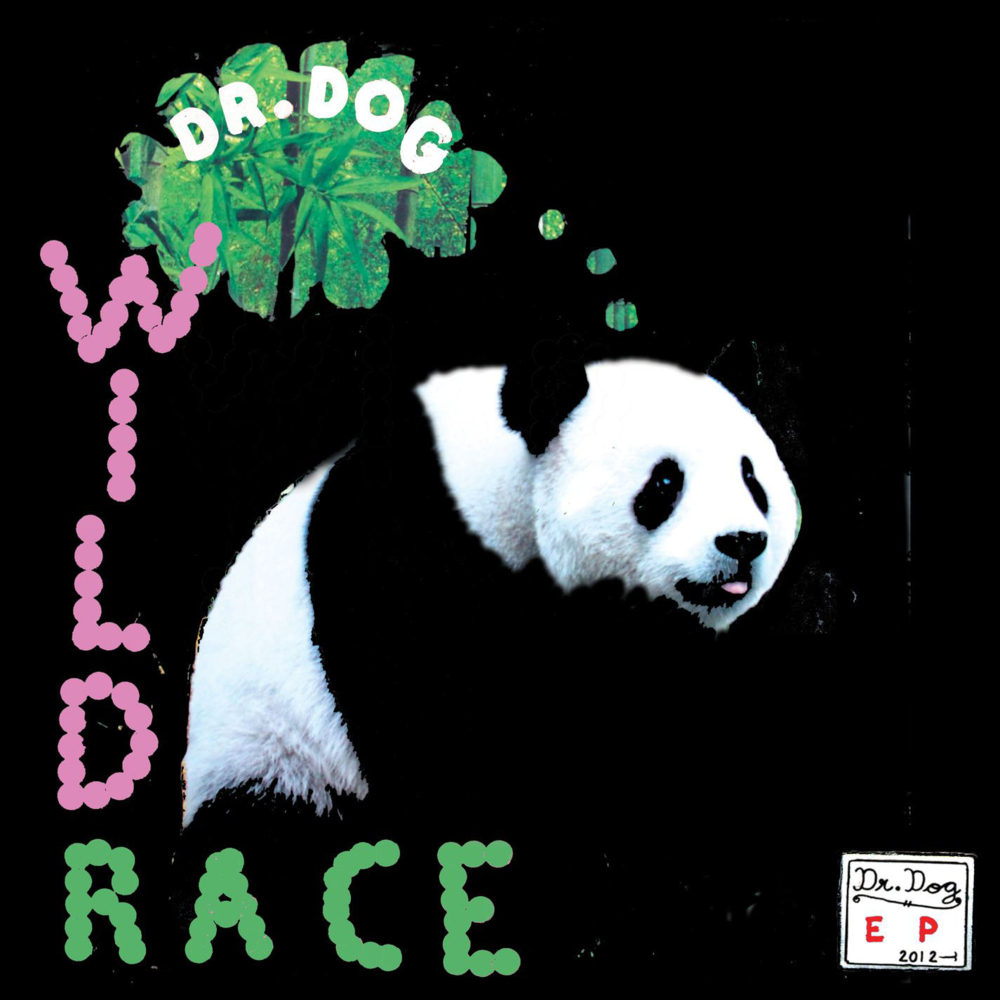
The most striking element is the recurring phrase, "And easy goes the wild race." This line, appearing after the calls for rest and sleep, creates a fascinating contrast. It implies that despite the internal turmoil and the desire to halt or reverse events, life continues its relentless, chaotic pace. The "wild race" suggests a struggle that is both personal and external, something that can only be navigated, not truly controlled or escaped, by simply trying to "rest easy."
Ultimately, these lyrics resonate because they capture the universal feeling of wishing for a do-over while being swept along by life's current. The repeated affirmations of "walk taller," "show something," and "love truer" suggest a path forward, not by erasing the past, but by building a more resilient self in the present. The "silent place" becomes a metaphor for an inner sanctuary, a space where one can find the strength to face the "wild race" with a more authentic self, even if the initial impulse was to retreat.
 View Artist