Song Meaning
The lyrics paint a vivid picture of a world where time itself seems to bend backward, mirroring the narrator's intense longing for a lost love. Fading petals bloom again, and the setting sun rises, suggesting a desire to reverse the irreversible. This surreal imagery grounds the emotional core: the narrator is caught in a loop of memory, replaying the moments leading up to a painful separation. The phrase "our last is beginning" is a striking paradox, highlighting the moment the end of their relationship becomes the catalyst for its vivid recollection.
The central tension lies in the conflict between the finality of a breakup and the narrator's desperate attempt to rewind time and recapture what was lost. The "fallen tears" that "rise up" is a powerful, almost supernatural image of grief refusing to dissipate, instead gathering force. The reappearance of the loved one, "in front of me," is not a physical reunion but a mental one, fueled by fragmented memories that are becoming "clearer" and "gathering" around the narrator.
The most compelling craft element is the recurring motif of fragmented memories ("조각난 기억들이") that are not fading but actively coalescing. Initially, they "gather" and then become "clearer," culminating in them "returning" to the narrator. This progression suggests an active, almost physical process of remembrance, where the past is not just recalled but reassembled. The bridge offers a moment of raw vulnerability, with the narrator admitting "I miss you, I was sorry," and a plea to be "waiting for only you in this spot."
Ultimately, these lyrics resonate because they translate the abstract pain of heartbreak into tangible, almost magical imagery. The narrator isn't just sad; they are living in a reversed reality where the end of their relationship is the very thing that brings the precious moments back into sharp focus. The repeated idea of "our last is beginning" and memories "returning" captures the bittersweet ache of knowing something beautiful is gone, yet being unable to let go of its vivid presence.
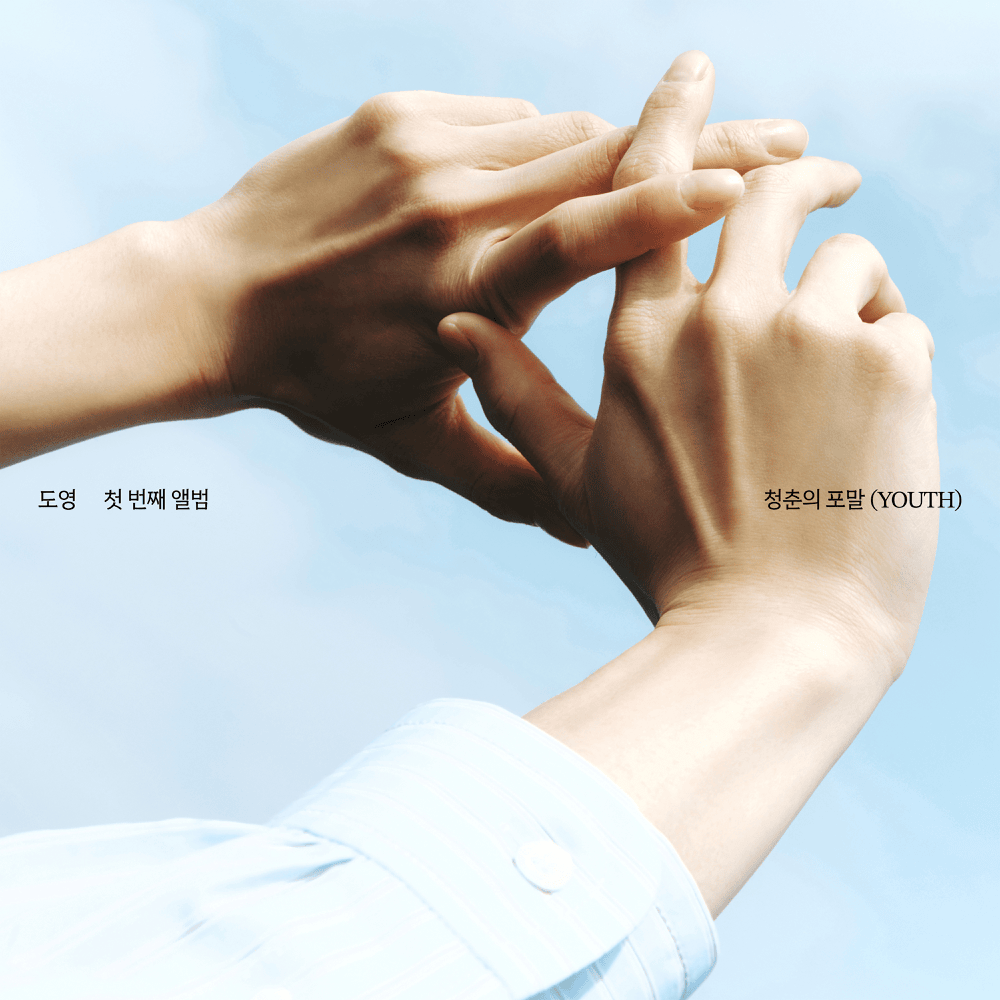
 View Artist