Song Meaning
Doyle Bramhall II's "Send Some Love" isn't just a plea; it's an indictment wrapped in a soulful blues riff. The opening lines paint a picture of emotional abandonment, the kind where one partner exits stage left without so much as a backward glance. It's not just the departure that stings, but the perceived indifference: "Didn't even notice, babe, that I followed you in." This sets the stage for a raw exploration of hurt and the desperate need for some form of emotional reciprocity. The repeated assertion that "your heart is so damn small" isn't just name-calling; it's a diagnosis of the core issue: an emotional stuntedness that prevents genuine connection. The chilling line "Your blood is turning cold" suggests a relationship that has not only ended, but has become toxic, devoid of warmth and empathy.
The chorus, the insistent demand to "Send Some Love," operates on multiple levels. On the surface, it's a straightforward request for affection, a lifeline thrown to a drowning heart. But beneath that, it's a challenge, a dare even. Can this person, accused of emotional frigidity, actually muster the capacity for genuine care? The urgency is palpable: "Please, you better send it fast." It's not just about receiving love, but about witnessing a fundamental shift in the other person's character. The song meaning hinges on this central conflict between perceived emotional deficiency and the hope, however faint, for redemption.
Later lyrics like "Everything is getting clearer / I Feel it close" hint at a potential turning point. Is this clarity a realization of the relationship's ultimate failure, or a glimmer of hope that the requested love might actually materialize? The subsequent lines, "Show me how to live right, baby / How to live, baby," introduce a dependency, a yearning for guidance that complicates the dynamic. The plea for love isn't just about emotional comfort; it's about learning how to navigate life itself. This song, "Send Some Love" by Doyle Bramhall II, transcends a simple breakup anthem. It's a complex portrait of emotional dependency, perceived callousness, and the desperate search for meaning in the aftermath of heartbreak.
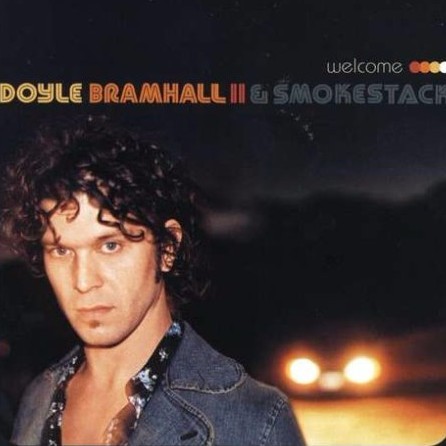
 View Artist