Song Meaning
{"song_id": 12895413, "meaning": "Doyle Bramhall II's \"Marry You\" isn't a subtle exploration of modern romance; it's a full-throated declaration, a primal scream of commitment wrapped in bluesy swagger. The song's lyrical landscape is sparse, almost deliberately naive, circling around the central, repeated plea: \"I want to marry you / Isn't that what you want, too?\" It's a question posed not as a gentle inquiry, but as a foregone conclusion, fueled by lust and the heady rush of infatuation. The \"sugar so sweet\" metaphor hints at a desire that's both urgent and uncomplicated, a craving that demands immediate satisfaction. This isn't about building a life together; it's about seizing a feeling before it evaporates. The narrator's desire feels immediate, a present-tense hunger, not a long-term plan.
The imagery of the '57 Chevy isn't just vintage cool; it's a deliberate invocation of classic American courtship rituals, a throwback to simpler times where promises were whispered in the backseats of cars. Bramhall uses this car as a vehicle for seduction, a symbol of freedom and escape. The line \"Let me show you the way, the way to heaven\" drips with playful innuendo, suggesting that the physical and the spiritual are intertwined, that the path to transcendence lies through earthly pleasures. The repetition of \"I'm falling in love with you / You make all my dreams come true\" borders on obsessive, highlighting the intoxicating power of new love and the way it can warp reality, turning the beloved into an idealized object of desire.
Ultimately, the song meaning hinges on the tension between genuine affection and impulsive desire. Is this true love, or merely a fleeting infatuation amplified by hormones and romantic fantasies? Bramhall doesn't offer easy answers. Instead, \"Marry You\" serves as a raw, unfiltered snapshot of that exhilarating moment when lust and love blur, when the future seems both inevitable and terrifyingly uncertain. The song's power lies in its simplicity, its refusal to intellectualize the messy, irrational impulses that drive human connection."}
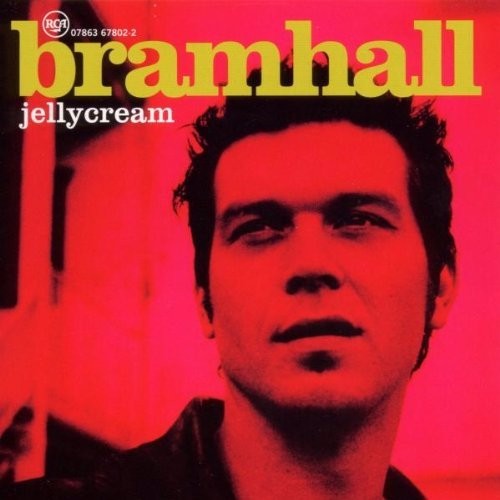
 View Artist