Song Meaning
Doyle Bramhall II's "He Stole Our Love Away" isn't just a blues lament; it's a raw nerve exposed. The cyclical nature of the lyrics, mirroring the repetitive agony of betrayal, traps the listener in the narrator's obsessive loop. Bramhall doesn't offer soaring guitar solos as an escape; instead, he uses the stark simplicity of the lyrics to amplify the emotional claustrophobia. The central phrase, "He stole our love away," becomes a mantra of pain, repeated so often it loses its initial accusatory force and morphs into a hollow acknowledgement of loss. It's the sound of someone trying to convince themselves of a reality they can't accept. The narrator's passive stance – "Here I am waiting for the sun to fall," "Waiting for the sun to rise" – underscores a sense of helplessness. He's caught in a twilight zone of heartbreak, unable to move forward, rendered powerless by the perceived theft. The fleeting mention of "another man" adds a layer of paranoia and insecurity. Is this a genuine betrayal, or is it fueled by the narrator's own anxieties? The ambiguity is crucial; it suggests the stolen love might be as much a product of internal fears as external forces.
Beneath the surface of heartbreak lies a potent cocktail of anger and denial. The lines "I won't let you two time my love" are a desperate attempt to reclaim control, a refusal to accept the narrative of stolen love. Yet, this defiance rings hollow against the overwhelming repetition of the central phrase. It's a fragile shield against the crushing weight of reality. The psychological complexity here is striking: the narrator simultaneously acknowledges the loss while vehemently resisting it. This internal conflict creates a palpable tension, making the song more than just a simple tale of heartbreak.
Ultimately, "He Stole Our Love Away" is a study in emotional paralysis. The repetitive lyrics, far from being a stylistic flaw, serve to highlight the obsessive nature of grief and the difficulty of breaking free from a cycle of pain. Bramhall crafts a portrait of vulnerability, stripping away any pretense of stoicism. The song's power lies not in its lyrical complexity, but in its unflinching portrayal of raw, unprocessed emotion. It's a reminder that heartbreak can be a disorienting, repetitive experience, leaving us stranded in a loop of longing and regret.
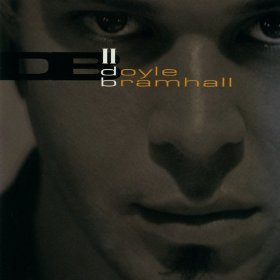
 View Artist