Song Meaning
{"song_id": 12895410, "meaning": "Doyle Bramhall II's \"Chasin' the Sun\" isn't just blues-rock; it's a melancholic meditation on time's relentless march and the elusive nature of happiness. The opening lines, \"Like a leaf that's free, I will blow away / Night will bring darkness, and I will lose my way,\" immediately establish a sense of impermanence and vulnerability. This isn't a celebration of freedom, but rather an acknowledgement of being adrift, subject to forces beyond control. The reference to springtime offers a sharp contrast, placing this feeling of loss within a context of renewal, highlighting the cyclical nature of life and the bittersweet understanding that even in moments of potential growth, decay is inevitable.
The core of the song, repeated like a mantra, centers on the dualistic struggle of \"chasing my sun\" while \"drowning in the tears.\" This speaks to the paradoxical human condition – the simultaneous pursuit of joy and the experience of profound sorrow. The sun, a symbol of warmth, vitality, and enlightenment, becomes the object of a relentless, perhaps futile, chase. Meanwhile, the tears suggest an overwhelming sense of grief or regret, hinting that the pursuit of happiness might itself be a source of pain. The line \"I'm watching the years go by\" underscores the feeling of time slipping away, adding a layer of existential anxiety to the search.
Bramhall's imagery of the river flowing and waterfalls ahead further reinforces this theme of unstoppable change. The river, constantly changing, mirrors the passage of time and the transformations it brings. The waterfall represents both a dramatic, potentially dangerous, shift in the journey and a point of no return. The singer's willingness to \"float away\" suggests a surrender to this flow, an acceptance of the impermanence and uncertainty inherent in the human experience. Ultimately, \"Chasin' the Sun\" is a poignant reflection on the search for meaning in a world defined by constant flux, a bluesy acknowledgement that the chase itself may be as important as the destination."}
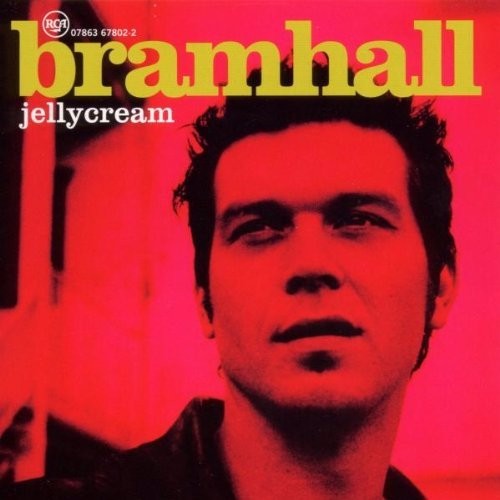
 View Artist