Song Meaning
The lyrics paint a stark picture of someone emerging from a profound, isolating experience, possibly a prison or a deeply damaging situation. The opening lines, "Free at last, I'm the past," immediately establish a sense of liberation coupled with a feeling of being left behind. The narrator is "holding on" in an "unknown prison," suggesting the lingering effects of their past confinement, even as they stand "on the other side."
The central tension lies in the narrator's defiant gaze back at their former torment. They are "staring right back at my cell" and "laughing right back at my hell." This isn't a passive remembrance; it's an active confrontation, turning the pain into something to be mocked. The repetition of "Lifer, lifer, lifer" in the bridge emphasizes the enduring nature of this past, suggesting it's a label or a state of being that has fundamentally shaped them, even in freedom.
The craft here is in the stark, almost brutal imagery and the ironic juxtaposition of freedom with continued psychological confinement. The phrase "my blood is paving your woes" is particularly potent, implying a sacrifice or suffering that has benefited others, perhaps those who were complicit or responsible for the narrator's plight. The act of "stealing keys sold to me" further highlights betrayal and the perversion of trust within this "prison."
This lyrical approach is effective because it transforms a narrative of victimhood into one of resilience and dark humor. The narrator isn't just surviving; they are actively reclaiming power by confronting their past with a defiant laugh. The "frozen image" of the cell suggests that while the physical confinement may be over, the memory and its impact remain, but the narrator is now in control of how they view it, turning their "hell" into a source of grim strength.
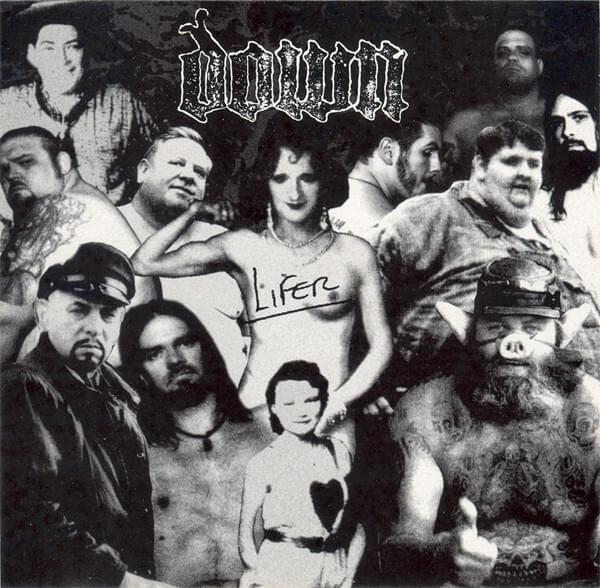
 View Artist