Song Meaning
The lyrics paint a stark picture of betrayal and disillusionment, framed by a cyclical rise and fall. The narrator begins by identifying as "a hitter / On the top of the mountain," a position of apparent success or power. However, this status is revealed to be precarious, built on a foundation of untruths. The core betrayal is articulated with brutal simplicity: "They lift you to the top / And then they kick you to the bottom." This immediate fall from grace is not just a personal setback but a systemic injustice, as the repeated declaration "That was illegal / And nobody cares" underscores a profound sense of abandonment and a world that turns a blind eye to wrongdoing.
The dominant emotional tension arises from the contrast between the initial perceived triumph and the harsh reality of being cast aside. The narrator's defiant cry, "Hey! This is who I am / Don't forget about your rage," suggests a desperate attempt to reclaim identity and agency in the face of this exploitation. This isn't just about feeling hurt; it's about acknowledging and perhaps weaponizing the anger that stems from being manipulated and discarded. The repetition of "nobody cares" amplifies the isolation, making the rage a necessary, perhaps even righteous, response to an indifferent system.
A striking element of the craft is the deliberate ambiguity of the term "hitter" and the parallel narrative introduced with "the beater." While "hitter" might suggest a powerful figure, "beater" implies something more vulnerable or perhaps even a tool. The fact that "the beater would leave me" introduces a layer of relational betrayal or dependence, mirroring the larger systemic abandonment. The repetition of the core betrayal narrative across these different identifiers – "hitter" and "beater" – reinforces the idea that this destructive cycle is pervasive and affects multiple facets of the narrator's experience, leaving them feeling exposed and wronged.
Ultimately, the effectiveness of these lyrics lies in their raw, unvarnished portrayal of exploitation and the ensuing emotional fallout. The blunt language and cyclical structure create a sense of inescapable hardship. The narrator's insistence on their identity and their rage, set against the backdrop of systemic indifference, resonates as a powerful, albeit bleak, statement on the consequences of being used and then forgotten. It's the feeling of being set up for a fall, only to discover that no one is willing to acknowledge the crime.
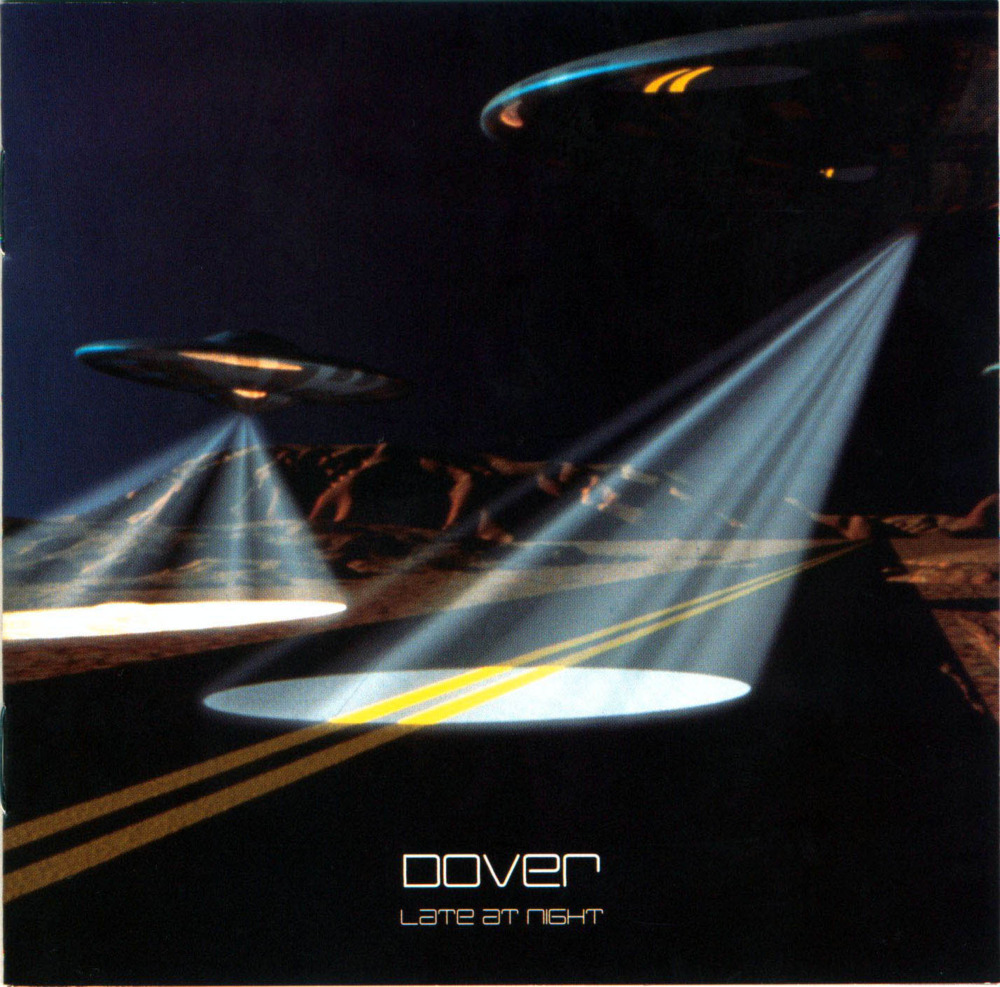
 View Artist