Song Meaning
Doug Stone's "Warning Labels" isn't just a country lament; it's a wry commentary on the potent emotional triggers embedded within the genre itself. The premise is simple, yet resonant: why are substances like cigarettes and alcohol, known for their detrimental effects, plastered with warnings, while the seemingly innocuous medium of sad country music gets a free pass, despite its ability to plunge a heartbroken listener into a spiral of despair? Stone cleverly highlights the often-underestimated power of music to amplify and intensify emotional states, particularly in the aftermath of a romantic loss. The opening verses depict the classic country scenario of heartbreak and barroom solace, immediately setting the stage for the central thesis.
The chorus acts as the song's core argument and emotional center. The suggestion to put "warning labels on those sad country songs" becomes a poignant metaphor for emotional vulnerability. It speaks to the way music can bypass our cognitive defenses and tap directly into raw, unprocessed feelings. The lyrics acknowledge the futility of such warnings – "I don't guess I would listen to what they said anyway" – but the very act of proposing them underscores the undeniable impact of these songs. It's a recognition that even if we're aware of the potential for emotional pain, the allure of catharsis through music can be too strong to resist.
Ultimately, "Warning Labels" transcends a simple complaint about sad songs. It's a self-aware nod to the genre's tropes and a knowing wink at the listener who understands the bittersweet pleasure of wallowing in heartbreak. The specific mention of Merle Haggard and George Jones, titans of country melancholy, further emphasizes the song's connection to the genre's deep emotional roots. Stone isn't condemning country music; he's acknowledging its power, its potential for both comfort and sorrow, and the complex relationship we have with art that mirrors our own pain.
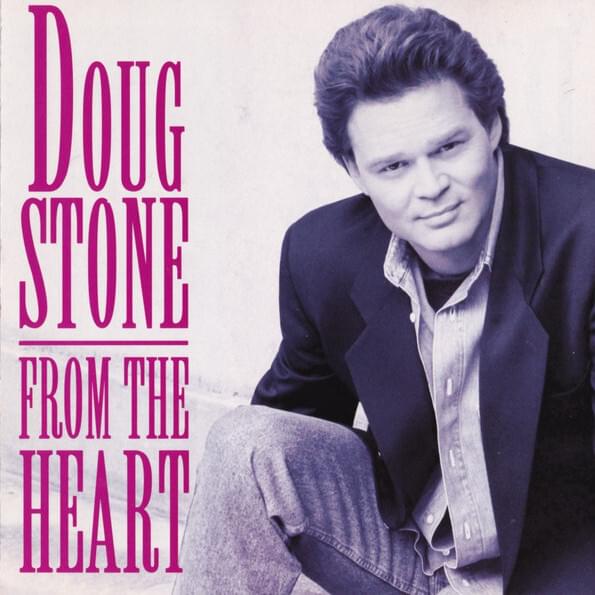
 View Artist