Célestes Scélérats
Song Meaning
The lyrics paint a vivid picture of a chaotic, almost apocalyptic urban night. There's a sense of impending doom or intense, uncontrolled energy coursing through the city, described as "célestes scélérats" – celestial villains. This juxtaposition of the divine and the wicked creates an immediate tension, suggesting a world where even the heavens are corrupted or where destructive forces are operating on a grand, almost cosmic scale within the city's confines. The dominant tone is one of frenetic, perhaps dangerous, exhilaration. The core conflict seems to lie in the narrator's relationship with this overwhelming, destructive energy. They are both observing and seemingly participating in this "celestial villainy." The repeated emphasis on movement and sound – "roulent," "tournent," "bruit" – suggests a world in constant, violent motion, a maelstrom that is difficult to escape. The narrator appears drawn to, or perhaps trapped within, this destructive spectacle, finding a strange allure in its chaos. The most striking aspect is the personification of abstract forces as "scélérats." This isn't just a bad night; it's a night populated by malevolent entities operating with a divine, or at least grand, scope. The imagery of things "rolling" and "turning" implies a relentless, unstoppable force. The lyrics suggest a world where order has collapsed, replaced by a kind of beautiful, terrifying anarchy that captivates the observer. This writing is effective because it taps into a primal fascination with chaos and destruction, framing it with an almost religious grandeur. The "celestial villains" aren't just thugs; they are forces of nature or cosmic agents, making the urban decay feel epic and mythic. The narrator's ambiguous position – observer and participant – draws the listener into this thrilling, dangerous world, making the abstract concept of urban chaos feel intensely personal and immediate.
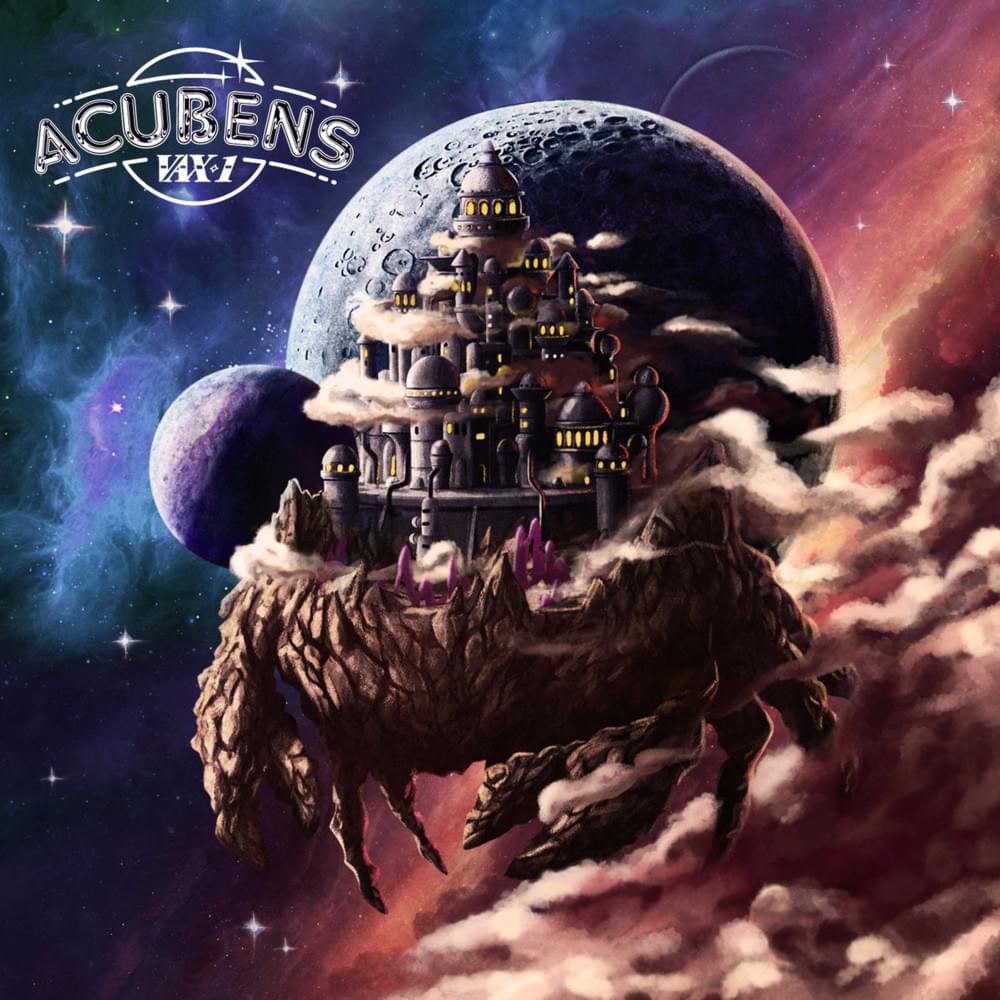
Lyrics
...
Rate this song
0/5.0 - 0 Ratings
Loading comments...
Credits
- Writers
- Vax1
- Double Å (a.k.a Roméo Xr)