Song Meaning
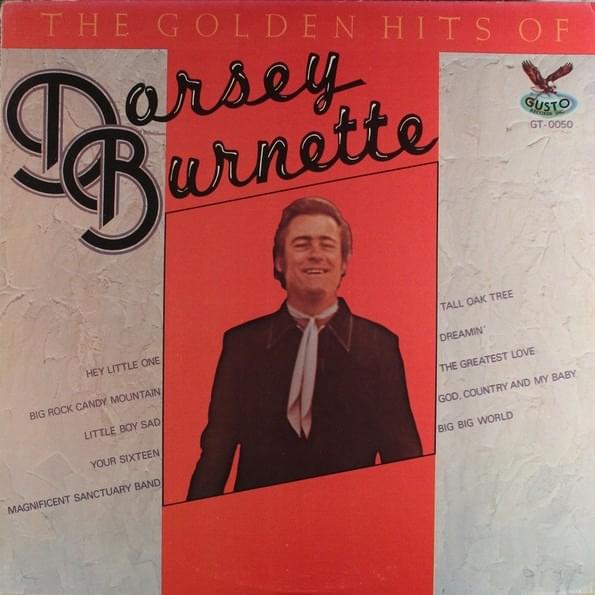
Dorsey Burnette's '(There Was A) Tall Oak Tree' isn't just a nostalgic lament; it's a compact, almost brutally efficient allegory for the fall of humankind. The opening verses paint an idyllic picture of interconnectedness: oak tree to brook, brook to mountain, mountain to sky, all culminating in divine love. This isn't just nature; it's a divinely ordained ecosystem of affection, a pre-lapsarian Eden where everything exists in harmonious balance. But Burnette wastes no time in dismantling this paradise.
The introduction of humanity, crafted from 'bone and a piece of mud,' marks the beginning of the end. The familiar tale of temptation and original sin acts as the catalyst, unleashing 'sin all round.' This isn't merely a religious retelling, but a commentary on the corrupting influence of choice and the inherent human capacity for destruction. The 'apple' becomes a symbol of lost innocence, a poignant 'what if' scenario where eternal bliss was forfeited for earthly knowledge – or perhaps, earthly desires. The song's genius lies in its simplicity, using archetypal imagery to convey complex theological and philosophical ideas.
The final verses deliver the fatal blow. Man's destructive force is unleashed upon the natural world: the oak tree felled, the brook silenced, the mountain diminished, the sky obscured. The imagery is stark and unforgiving. The 'tall oak tree,' once a symbol of strength and connection, is reduced to timber. The 'babblin brook,' a metaphor for life's flowing energy, is now 'solid ground,' stagnant and lifeless. The song’s meaning resonates far beyond a simple ecological warning; it's a profound meditation on the loss of innocence, the destructive nature of humanity, and the enduring consequences of our choices. Burnette's repetition of 'There was a tall oak tree' at the song's close serves as a haunting reminder of what was, and what we have irrevocably lost.
 View Artist