Song Meaning
Dorival Caymmi's "Roda Pião" isn't just a children's rhyme; it's a poignant meditation on the cycle of life, loss, and the bittersweet ache of nostalgia. The simple image of a spinning top ("pião") becomes a powerful metaphor, one that Caymmi uses to explore the transition from innocent joy to the complexities of adulthood. The lyrics contrast childhood games and nursery rhymes with the sorrowful tunes of grown-up experience, immediately grounding the listener in the push and pull between past and present. The spinning top, a source of simple delight in youth, foreshadows the dizzying, often disorienting, nature of adult life. Caymmi's genius lies in his ability to imbue a seemingly trivial image with profound emotional weight.
The repetition of "Roda, pião / Bambeia, ô pião" (Spin, top / Wobble, oh top) mimics the hypnotic, cyclical nature of existence. The top's movements – entering the circle, tapping on the brick, moving from side to side – suggest the diverse experiences and paths we navigate throughout our lives. But the wobble is key. It introduces the element of instability, the precariousness inherent in the human condition. The top's dance is not always smooth; it's a constant negotiation with gravity, a struggle to maintain balance. This mirrors our own efforts to stay upright amidst life's inevitable challenges.
The final verse explicitly connects the spinning top to the human experience: "Também a vida da gente / É um pião sempre a rodar" (Our life too / Is a top always spinning). This direct comparison underscores the song's central theme – the relentless passage of time and the cyclical nature of life. The concluding lines offer a sense of quiet acceptance. The top, like life itself, eventually comes to a stop, succumbing to the weariness of time. "Roda Pião" is a beautiful, understated reminder of life's fleeting nature, inviting us to appreciate the present moment while acknowledging the inevitable end.
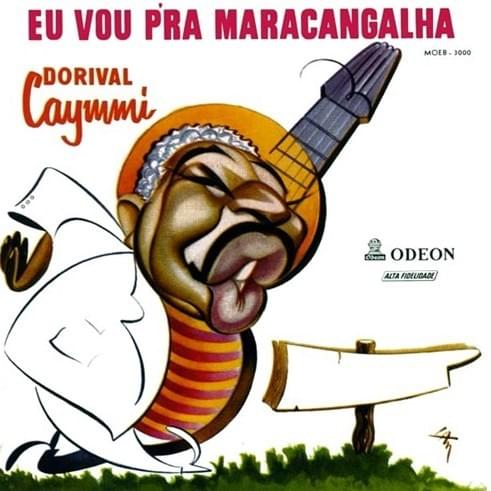
 View Artist