Song Meaning
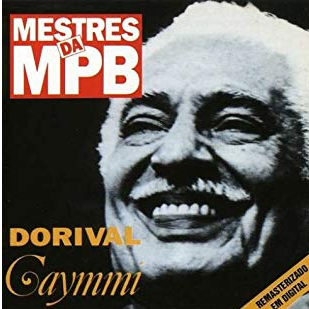
Dorival Caymmi's "Marina" isn't just a serenade; it's a fascinating glimpse into the fragile male ego grappling with a woman's burgeoning self-expression. The repetition of "Marina, morena, Marina, você se pintou" immediately establishes a nagging obsession. The singer isn't simply admiring Marina; he's scrutinizing her, fixated on this act of self-adornment as a personal affront. The plea, "Não pinte esse rosto que eu gosto, Que eu gosto e que é só meu," lays bare the possessiveness at the heart of the song's meaning. It's not about Marina's beauty, but about his perceived ownership of it.
The lyrics analysis reveals a deeper anxiety than mere jealousy. The singer's outburst stems from a fear of change, a desire to keep Marina frozen in a state that caters to his comfort. Her act of applying makeup becomes symbolic of a larger shift – a potential assertion of independence that threatens his control. The lines "Marina, você já é bonita, Com o que deus lhe deu" are particularly telling; they suggest that Marina's inherent worth, as defined by a higher power (and, implicitly, by him), is sufficient. Any attempt to augment or alter that natural beauty is seen as a betrayal, a rejection of the role he's assigned her.
Caymmi masterfully portrays the male psyche's delicate dance between admiration and control. The wounded pride is palpable in the lines "Me aborreci, me zanguei, Já não posso falar, E quando eu me zango, Marina, Não sei perdoar." This isn't just a lover's quarrel; it's a power struggle masked as concern. The singer's inability to forgive highlights the depth of his insecurity. Ultimately, "Marina" serves as a cautionary tale about the dangers of possessiveness and the importance of allowing loved ones the freedom to express themselves, even if it challenges our own perceptions and expectations.
 View Artist