Song Meaning
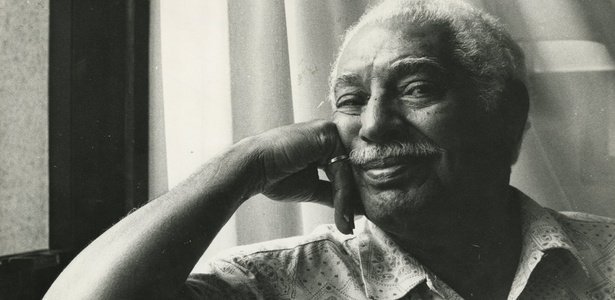
Dorival Caymmi's "Canto do Obá" is not simply a song; it's a deeply personal and spiritual invocation, a direct line to the divine woven into a tapestry of gratitude and familial love. The repetition of "Meu pai Xangô" (My father Xangô) immediately establishes the song's core: a profound connection to Xangô, the orixá (deity) of justice, fire, and thunder in the Afro-Brazilian religion of Candomblé. This isn't detached worship, but an intimate declaration of lineage and belonging. Caymmi isn't just singing *about* Xangô; he's claiming him as his father, embedding himself within a spiritual heritage. The lyrics analysis reveals a supplication for protection, a plea directed to "Obá de Xangô," specifically naming himself as "Dorival Obá Onikoyi." This suggests a deeper, perhaps initiated, connection to the orixá, a personal relationship beyond casual devotion. He identifies himself within this spiritual context, seeking favor and guidance. The repeated request, “Protege teu filho,” transforms the song into a vulnerable and heartfelt prayer.
But “Canto do Obá” transcends mere religious supplication. It bleeds into the earthly realm with the explicit mention of Stella Caymmi, his wife and the mother of his children. He calls her his muse, his lover, and his friend, a "estrela" (star) of his song. This intertwining of the divine and the domestic is crucial to understanding the song meaning. Caymmi isn't compartmentalizing his life; his spirituality is inextricably linked to his love for his family. The inclusion of Stella elevates her to a near-sacred status, suggesting she is both a source of earthly inspiration and divinely blessed. He almost seems to question his worthiness of her love, singing "Por não merecer ser merecedor / De tanta Stella, estrela de amor, ai..." This vulnerability adds another layer to the song, revealing a man humbled by both spiritual grace and the profound love of his partner.
Ultimately, "Canto do Obá" is a testament to the holistic nature of Caymmi's world. It's a space where the spiritual and the personal are not separate entities but rather interwoven threads in the fabric of his existence. The song meaning resides not just in its religious invocations, but also in the raw honesty of its expressions of love and gratitude. It’s a celebration of lineage—both spiritual and familial—and a humble acknowledgement of the blessings in his life. The song serves as a powerful example of how faith, love, and artistic expression can converge to create a deeply moving and personal statement.
 View Artist