Song Meaning
Doris Troy's "Exactly Like You" is more than a simple love song; it's a testament to the power of idealized expectations and the almost desperate relief of finally finding a partner who fulfills a pre-scripted narrative. The opening lines, "I know why I waited, I know why I've been blue / I pray this night for someone exactly like you," immediately establish a sense of longing that transcends mere romantic desire. It speaks to a deeper, perhaps even subconscious, yearning for validation and completion. The repetition of "exactly like you" is key; it suggests the singer isn't just seeking love, but a mirror reflecting a very specific, carefully constructed image. This isn't about organic connection, but a fulfillment of a pre-existing void.
The song's reference to the mother's influence ("I know why my mother, she taught me to be true / 'Cause she meant me for someone, baby, yeah, exactly like you") adds another layer of complexity. It implies that the singer's expectations are not entirely her own, but rather an inheritance, a deeply ingrained belief system passed down through generations. This maternal influence highlights how societal and familial expectations can shape our romantic ideals, often leading us to seek partners who fit a pre-approved mold rather than embracing genuine, unpredictable love. The desire to be "true" is not necessarily about fidelity, but about adhering to this inherited vision.
The lyrics, "You make me feel so grand / I wanna hand the world to you," reveal the extent of the singer's infatuation and the somewhat performative nature of her affection. This grand gesture suggests a desire to reciprocate the feeling of being understood and validated. The phrase, "You just need to understand this dream I'm dreaming / And every scheme I've schemed," hints at a shared vision, a sense of alignment that feels almost too perfect. In essence, "Exactly Like You" explores the complex interplay between personal desire, familial influence, and the potential pitfalls of seeking a partner who mirrors our idealized self rather than challenging and expanding our understanding of love and connection.
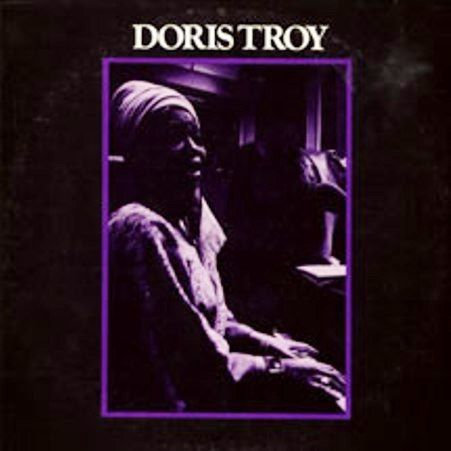
 View Artist