Song Meaning
This song paints a vivid picture of obsessive infatuation, where the object of affection has become an inescapable presence. The narrator describes this feeling as something that literally invades their thoughts, comparing it to intoxicating drinks and persistent melodies. It’s a state of being completely consumed, where even the slightest possibility of reciprocation feels like a powerful enchantment. The lyrics capture that dizzying, almost out-of-control sensation of being utterly captivated.
The central tension arises from the narrator's internal struggle against this overwhelming feeling. They acknowledge the futility of their desire, recognizing that "this never can be," yet they remain helplessly drawn in. This conflict between rational thought and emotional surrender is palpable, highlighting the irrational power of love or obsession. The narrator’s plea and the mere thought of the other person’s attention are enough to cast a spell, overriding their own attempts at self-control.
The craft here is in the sustained metaphor of intoxication and lingering presence. Phrases like "haunting refrain" and "spinning round in my brain" establish a sense of inescapable mental occupation. The comparison to "bubbles in a glass of champagne" and "sparkling burgundy brew" directly links the intoxicating effect of the person to alcoholic beverages, emphasizing the loss of control and heightened senses. The image of "a summer with a thousand July's" amplifies the intensity of the emotional response, suggesting an overwhelming, almost unbearable heat and passion.
What makes these lyrics so effective is their direct, sensory language that translates an internal emotional state into tangible experiences. The narrator isn't just saying they're in love; they're describing a physical and mental takeover. The repeated phrase "You go to my head" acts as a powerful anchor, reinforcing the core theme of overwhelming influence. It’s this visceral depiction of being consumed by thought and feeling that resonates, making the narrator's plight feel immediate and intensely real.
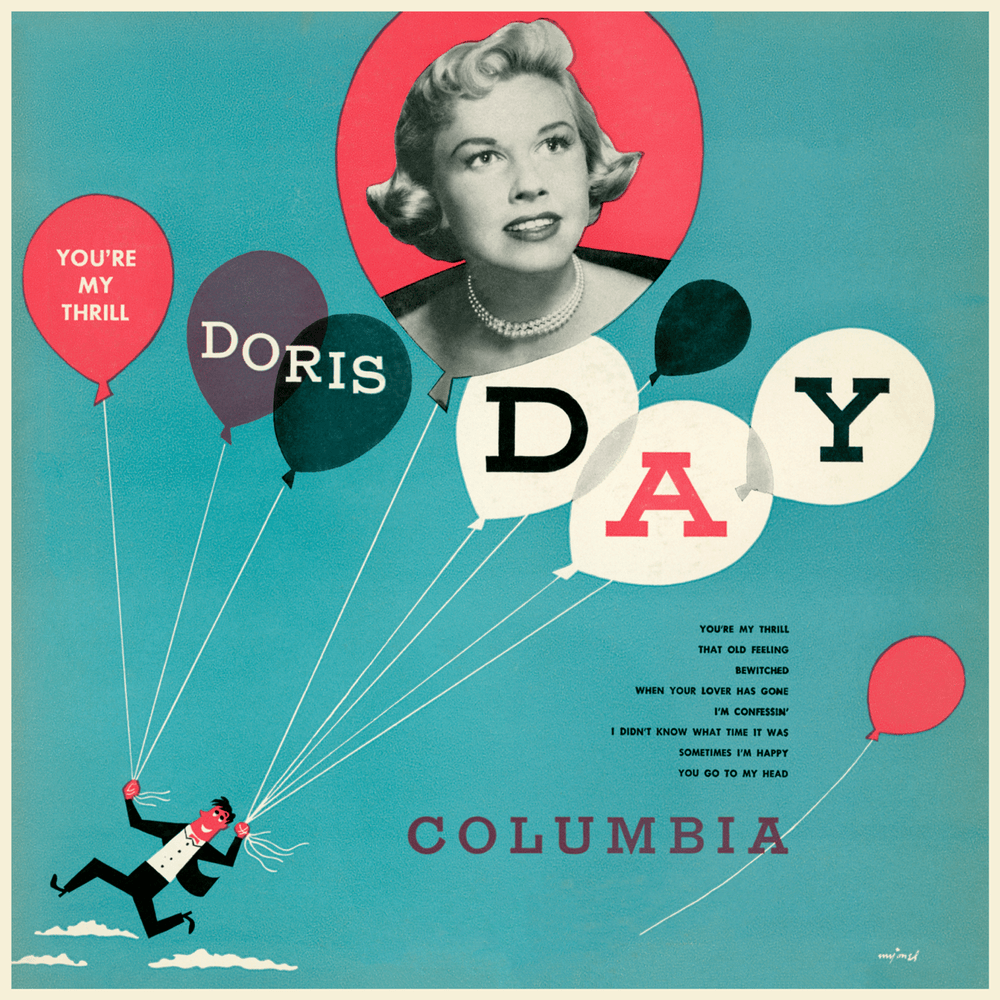
 View Artist