Song Meaning
The lyrics paint a picture of a relationship caught in a cycle of departure and return, fueled by a deep, perhaps self-destructive, love. The repeated promise, "Voltarei p'ra ti" (I will return to you), anchors the song in a sense of unwavering devotion, even amidst pain. There's an immediate emotional texture of longing and a determined, almost desperate, hope for reconciliation. The narrator seems locked in a loop, waiting for the other person to reciprocate their commitment.
The central tension lies in the narrator's persistent return despite the apparent absence or blindness of their beloved. "Estou aqui e não me vês porque andas cego" (I am here and you don't see me because you are blind) suggests a one-sided perception, where the narrator's presence and feelings are ignored. This blindness creates a painful dynamic, leading to the narrator's willingness to "Sofrerei por ti" (I will suffer for you) and to "jogar até ao fim" (play until the end), implying a prolonged, possibly futile, struggle.
The lyrics employ the metaphor of a game to describe the relationship's unpredictable nature. Phrases like "Fingi que tenho outro amor" (I pretended to have another love) and "Agora fica a ganhar por dois" (Now you end up winning for two) hint at past manipulations or strategies that have backfired. The comparison of love to the sea, with its "marés de ir e voltar" (tides of going and returning), perfectly captures the ebb and flow of connection and separation, reinforcing the cyclical theme.
Ultimately, the effectiveness of these lyrics stems from their raw portrayal of enduring love and the pain it can inflict when unreciprocated. The narrator's steadfast promise to return, even after acknowledging suffering and the other's blindness, creates a poignant sense of devotion that resonates with the complexities of deep emotional bonds. The final, emphatic "Voltarei p'ra ti!" leaves the listener with a powerful impression of a love that refuses to be extinguished, regardless of the cost.
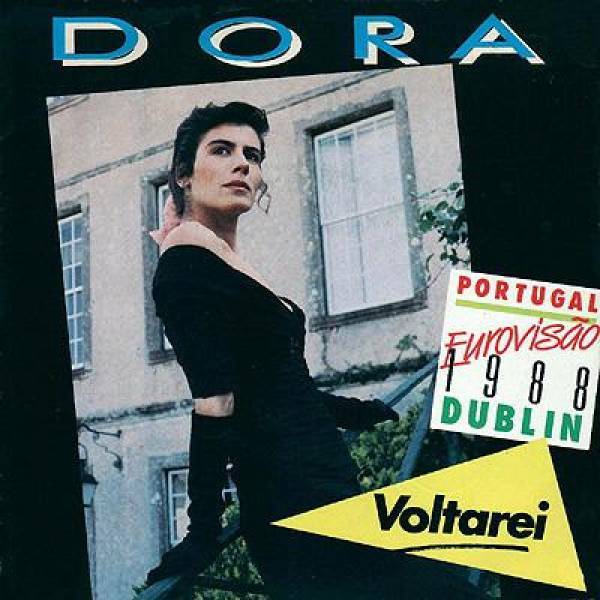
 View Artist