Song Meaning
The lyrics paint a picture of someone trapped in a relationship that's both a source of profound connection and immense pain. There's a sense of resignation, a willingness to "do my time" and accept a state of being "barely in tune." The narrator seems to have lost their identity, "cashed my life and lost my ID," with apathy setting in. Yet, amidst this desolation, a singular focus emerges: "You are all I've got inside me."
The central tension lies in the impossible dichotomy presented in the chorus: "I can't be with or without you." This isn't a simple case of wanting someone; it's a desperate, agonizing dependency. The narrator feels simultaneously drawn to and repelled by the other person, unable to fully commit to staying or leaving. The phrase "After all that we've been through" suggests a history that binds them, making separation feel as unbearable as the current state of being together.
The most striking aspect is the narrator's self-perception, particularly in the second verse. They claim, "It's not me who wanted fame I just needed to...." and later, "And I don't think that I am thee / One that you keep telling me." This hints at external pressures or perhaps a distorted self-image imposed by the other person or circumstances. The "portrait of you" as a "broken glass" is a potent, fractured image, suggesting that the memory or presence of the other person is sharp and damaging.
Ultimately, the power of these lyrics stems from their raw portrayal of emotional paralysis. The repeated chorus hammers home the inescapable nature of this bond, even as it acknowledges the destructive force it wields. The final lines, "It's tearing us up / And it's breaking me down," underscore the mutual devastation, leaving the listener with the profound, unsettling feeling of being caught in an unbreakable, yet agonizing, connection.
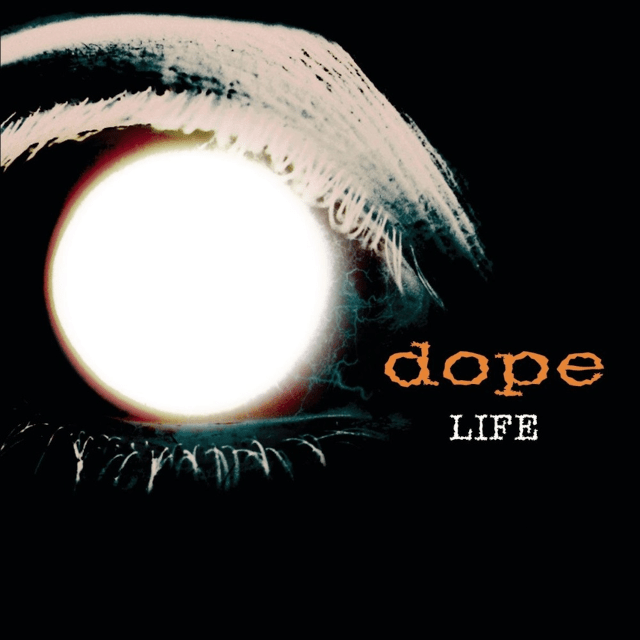
 View Artist