Song Meaning
The narrator returns home from prison, adrift in a haze of post-incarceration thoughts. There's an immediate sense of having endured more than anyone else could comprehend, establishing a defiant stance against an implied external judgment or threat. This isn't just about being free; it's about surviving an experience that has fundamentally altered their perspective, leaving them feeling beyond the reach of ordinary concerns or criticisms.
The core tension arises from a profound disconnect between the narrator and the world they've re-entered. They perceive a clear rejection, stating, "you don't even like me," and a desire to be left alone, "you don't wanna find me." This isn't a plea for acceptance but a declaration of self-sufficiency born from hardship. The repeated assertion, "you ain't nothing like me," underscores a chasm of experience that separates the narrator, making any attempt at connection or understanding futile from their viewpoint.
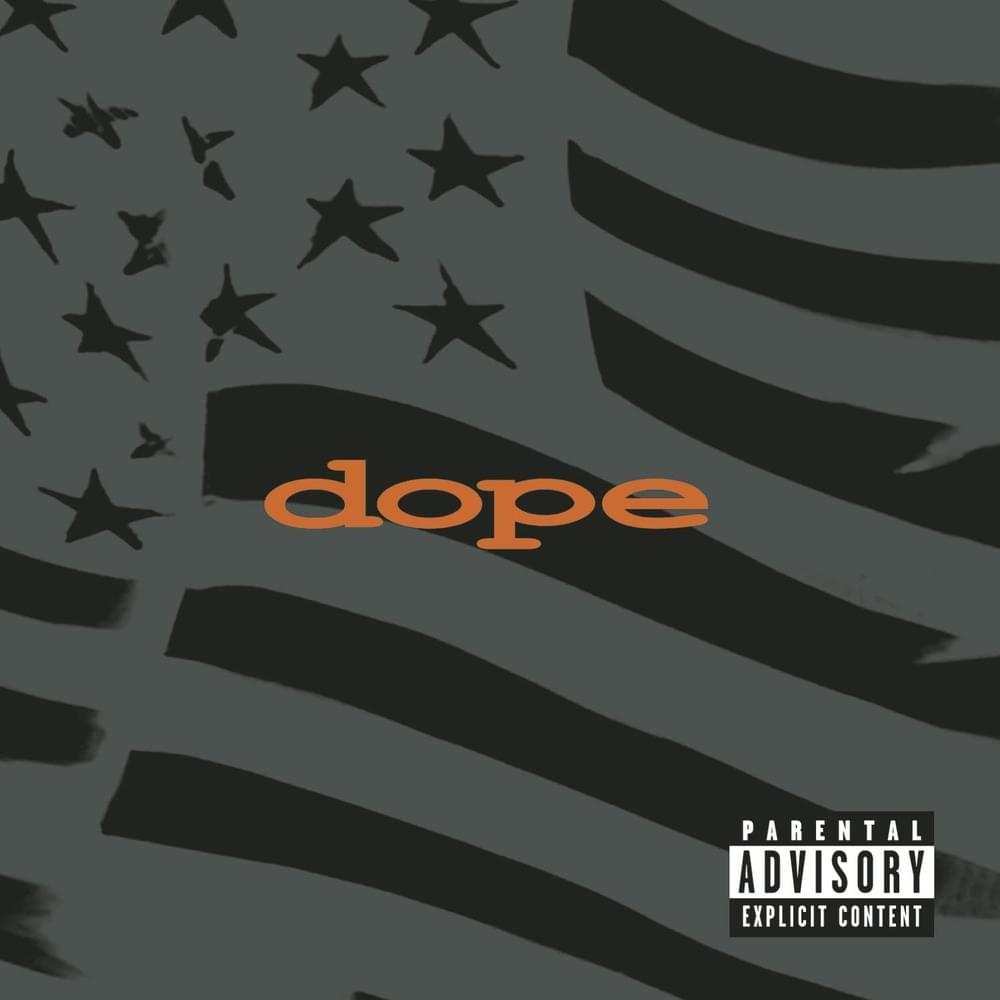
The most striking lyrical moment is the abrupt pivot to political disillusionment: "And we pledge allegiance to a flag / Of a country that is fucked in the head." This line reframes the personal struggle within a larger societal critique. It suggests the narrator's alienation isn't solely personal but is mirrored in their perception of a nation itself being fundamentally flawed. The act of pledging allegiance becomes ironic, a hollow ritual performed for a broken entity, amplifying the narrator's sense of being an outsider.
This song hits hard because it grounds its anger in a specific, raw experience of confinement and release, then broadens it to indict a societal structure. The blunt language and repetitive, almost mantra-like chorus create a feeling of trapped frustration and unyielding resolve. The narrator’s voice feels authentic, not seeking validation but asserting a hard-won, albeit bitter, sense of self against a world that seems to have already judged and dismissed them.
 View Artist